
The Neutral Dresser: Versatile Style for Modern Homes


Intro
In the world of interior design, the humble dresser often finds itself in the shadow of more extravagant pieces. Yet, when you take a closer look, this piece of furniture stands as a cornerstone in both utility and style. A neutral dresser is more than a mere storage solution; it’s a canvas—a versatile piece that can transform a room while serving practical functions in home organization. It complements various aesthetics, adapts to any color palette, and maintains relevance across shifting design trends.
This article delves into the many roles a neutral dresser can take on in your home. From its aesthetic attractiveness to its diverse functionality, we will explore how this piece seamlessly fits into different design styles. We’ll also tackle various materials and styles available, helping you navigate your options, whether you’re a homeowner looking to refresh your space, a designer seeking fresh inspiration, or a DIY enthusiast eager to craft something unique.
Through this examination, readers will gain valuable insights into the neutral dresser's significance and ways it can enrich their living environments, while ensuring that personal tastes are catered to without skimping on practicality.
Understanding the Neutral Dresser
In today's world of dynamic interior design, the neutral dresser emerges as a staple, blending seamlessly into diverse environments. This section underscores the importance of grasping what a neutral dresser is and how it can elevate both aesthetics and functionality within a home. A neutral dresser's value lies in its versatility; it can adapt to numerous styles while providing essential storage solutions.
At its core, the neutral dresser serves as a blank canvas. With its unobtrusive shades and simple designs, it invites embellishments and customization. This adaptability allows homeowners and designers to shift their decor without needing a complete overhaul of furniture. Furthermore, the neutral palette reflects a harmonious ambiance, smoothing out contrasting elements within different spaces, thereby enhancing overall cohesion.
Additionally, understanding the neutral dresser's characteristics aids in making informed decisions when it comes to style and placement. It's not just about finding a piece that looks good; it needs to harmonize with the room's vibe and function effectively. With the growing trend of multi-functional living spaces, the importance of practical considerations cannot be overstated. As we explore the finer details of neutral dressers, we will uncover their historical significance, characteristics, and the various contexts in which they thrive, leading to a more rounded appreciation of this essential furniture piece.
Definition and Characteristics
A neutral dresser can be defined as a storage unit that typically features muted tones such as whites, grays, beiges, or soft pastels. These colors create a calming effect, making the piece attractive in various settings, from cozy bedrooms to modern apartments. Moreover, neutral dressers come in various finishes—matte, glossy, or textured—that accentuate their streamlined design.
Some key characteristics include:
- Functional Design: Most neutral dressers have ample storage options, from drawers to shelving, effectively catering to various storage needs.
- Timeless Aesthetic: Their classic appeal allows them to transcend fleeting trends, ensuring they remain relevant in style.
- Adaptability: Neutral dressers can be combined with bold decor, colorful accessories, or minimalist surroundings effortlessly.
- Diverse Styles: They can range from modern styles with clean lines to the more rustic, vintage looks featuring distressed wood finishes.
Historical Context
The origins of the dresser as a furniture piece can be traced back centuries. Initially, these pieces were designed to showcase a household's wealth and status. Over time, their purpose evolved, emphasizing functionality while maintaining aesthetic appeal. In the 20th century, particularly during the mid-century design movement, the concept of the 'neutral dresser' began to gain popularity. Designers embraced clean lines and muted tones, paving the way for the versatile furniture we see today.
During the post-war era, with an emphasis on modernism, homes became more focused on minimalistic designs. This shift allowed the neutral dresser to emerge as a fundamental piece, offering flexibility as residents sought ways to simplify their lives while still expressing style. Today, the neutral dresser remains an enduring symbol of practicality and elegance, symbolizing an era where functionality meets refined design.
Aesthetic Appeal of Neutral Dressers
When one fully explores the aesthetics surrounding neutral dressers, it's clear they play a crucial role not just in functionality but in enhancing one's living space. The beauty of neutral dressers lies in their ability to blend seamlessly into a variety of decors while still standing out. This section dissects the color palettes, finishes, styles, and trends that exemplify their appeal.
Color Palettes and Finishes
Soft Neutrals
Soft neutrals, like gentle beiges and light grays, offer a calm, soothing vibe to any room. They act as a blank canvas, allowing other colors in the space to shine. A neutral dresser in soft beige, for instance, can harmonize beautifully with both warm and cool tones in a room. It’s a beneficial choice because it ensures longevity in design; trends come and go, but these hues tend to stand the test of time.
One unique characteristic of soft neutral shades is their ability to create a sense of spaciousness. In smaller homes, a soft neutral dresser can make a room feel airier and more open. On the flip side, the disadvantage lies in their potential to be perceived as uninspired or bland, particularly if not paired with enough texture or color elsewhere in the decor.
Bold Contrasts
Bold contrasts, like deep charcoal or rich navy paired with light wood, create a striking visual appeal. These hues provide an opportunity to infuse personality into the room, making a statement while keeping it sophisticated. This aesthetic can turn a neutral dresser into a focal point rather than just another piece of furniture.
The beauty of using bold contrasts is that they stand out vividly against lighter walls or furnishings, creating an energetic ambiance. They can also communicate luxury and elegance when styled thoughtfully. However, a disadvantage could be that such stark contrasts might clash with more subdued palettes, possibly creating a disjointed look if not executed with care.
Styles and Design Trends
Modern Minimalism
Modern minimalism has surged in popularity, characterized by clean lines and uncluttered surfaces. In the context of neutral dressers, this style emphasizes functionality without sacrificing aesthetics. A dresser with distinctive handleless designs or simple geometric shapes exemplifies this approach perfectly, marrying form and function seamlessly.
Key features of modern minimalism include a focus on quality over quantity, where every piece has its purpose. This trend is beneficial for those looking to declutter and create a serene living environment. It can potentially, however, come across as sterile if the balance of warmth and texture isn't achieved within the space. Thus, using varying materials can enrich the minimalist idea.
Scandinavian Influences
Scandinavian design, known for its simplicity, function, and connection to nature, greatly influences the aesthetics of neutral dressers. Think of light wood finishes combined with subtle color palettes that echo the natural surroundings. One of the key characteristics of this style is the cozy, lived-in feeling it instills, a much-desired trait in modern homes.
The unique feature here is the integrated functionality—many Scandinavian dressers include clever storage solutions that marry beauty with utility. This aspect is incredibly valuable, especially for those with space constraints. A downside, however, may be the necessity for conscious styling efforts to avoid an overly stark or cold atmosphere, which could leave the room feeling unfinished.
Aesthetic choices in neutral dressers are not merely about beauty; they reflect the nuances of individual lifestyles and preferences.
The exploration of aesthetic appeal surrounding neutral dressers reveals a tapestry of choices that cater to various decor styles. Homeowners, designers, and DIY enthusiasts can use these insights to make decisions that resonate with personal style while ensuring cohesiveness in their spaces.
Functional Aspects of Neutral Dressers
The neutral dresser in today’s homes is not just a pretty face; it’s a powerhouse of practicality. This piece of furniture often takes center stage due to its functional merits. In essence, understanding these functional aspects becomes paramount for homeowners, designers, and DIY enthusiasts alike. A dresser does way more than just hold clothes; it can maximize space, customize interiors, and serve multiple uses, making it a multitasking marvel in any living space.
Storage Solutions
Maximizing Space
Let's dive into Maximizing Space. When we talk about a neutral dresser, its ability to optimize space is key. In a compact room, this item can transform a cluttered sanctuary into a tidy retreat. A well-designed neutral dresser can offer ample storage without overwhelming a small space. For example, a dresser with deep drawers, or vertically oriented storage solutions can decrease floor clutter while ensuring you have easy access to your items.
The crucial aspect here is the ergonomic design, which enhances functionality while maintaining aesthetics. It’s a favorable choice for anyone keen on smart organization without sacrificing style. But, a heads up: be cautious of overloading drawers, as this may lead to wear and tear over time.
Customizable Interiors
Next up is Customizable Interiors. This is where the magic truly happens. With adjustable shelving or modular designs, many neutral dressers allow owners to tweak their storage configurations. Think about it: one day you might want more space for clothes, but another day you need to stash away books or decor. Customizable interiors can adapt to your ever-changing needs.
This flexibility adds to the overall appeal, as it grants homeowners the chance to curate their storage experience. A unique feature of such designs is their ease of assembly and adjustment. They can be a double-edged sword, however; while flexibility is a perk, it might lack robustness compared to fixed solutions.
Multi-Functional Uses
As we weave through the versatility of neutral dressers, let’s explore their Multi-Functional Uses. This is where these pieces shine in ways a simple drawer cannot.
As a Vanity
When you consider As a Vanity, the dresser morphs into something more personal. By adding a mirror above or integrating storage for beauty essentials, a neutral dresser can double as a stylish vanity. This is particularly valuable in smaller bedrooms where space conservation is a necessity.
The key characteristic lies in its ability to blend functionality with personal expression, allowing for a streamlined yet elegant grooming space. However, the downside might be limited surface area if the dresser doesn’t come with a large enough top.
Displaying Decor
Finally, we have Displaying Decor, which showcases how a neutral dresser can elevate your decor game. It’s not just about hiding away personal items; it serves as a prime location for decor elements, from picture frames to plants.
This multi-purpose approach to decorating enables homeowners to showcase personal flair. The unique feature of utilizing a neutral dresser in this way is how it can pull a room together visually. But, balance is essential; overloading it with too much decor can lead to a chaotic appearance.
A neutral dresser is a reflection of personal style, while also being a functional asset in home organization.
In summary, the functional aspects of neutral dressers make them invaluable in modern decor. They not only provide storage but adapt and enhance your space in unexpected ways.
Choosing the Right Neutral Dresser
Choosing the right neutral dresser is not just about aesthetics; it plays a significant role in harmonizing the overall vibe of your space. A well-chosen dresser can seamlessly link together various design elements, creating a cohesive look that speaks to your personal style. Moreover, it serves practical purposes, offering valuable storage and organizational benefits. Thus, understanding how to pick the perfect neutral dresser is essential for homeowners, designers, and DIY enthusiasts alike.
Materials and Construction
Wood Types
When considering wood types for your neutral dresser, you really want to look at functionality and style. Solid hardwoods like oak or walnut are often favored for their durability and classic appeal. Oak, for instance, has a strong, sturdy characteristic that can withstand daily use and still look good as new with proper care. It also has beautiful grain patterns and can be finished in various colors, making it a versatile choice.
However, softer woods like pine might not hold up as long but can provide a more rustic or casual feel, which is also worth considering depending on the decor context.


Eco-Friendly Options
In recent years, eco-friendly options have gathered traction among consumers who prioritize sustainability. Dressers made from reclaimed wood not only reduce waste but also add a unique history and character to each piece. Bamboo is another growing choice; it's fast-growing and highly renewable, making it an attractive alternative. Choosing such materials offers the benefit of contributing to a greener planet, but these options may sometimes come at a higher price point or require more care during maintenance.
Size and Proportions
When it comes to sizing your neutral dresser, think about the space you have. A large dresser in a small room can feel clunky and overwhelming while a tiny piece in a big room might get lost in the mix. It’s about finding a balance. Measure your space carefully—ideally, there should be sufficient room to open drawers fully without obstruction. The proportions should also complement other furniture. A great rule of thumb is to maintain visual balance with your other furnishings, creating a harmonious flow throughout the space.
Integrating with Existing Decor
In the ever-evolving world of interior design, a neutral dresser can serve as the connective tissue in the fabric of your home. It not only adds functionality but plays a pivotal role in harmonizing disparate design elements. Successful decor integration means not just placing a dresser but ensuring it complements and elevates the existing aesthetic. This vital consideration can enhance your space, making it feel cohesive and well-thought-out.
When integrating a neutral dresser into your decor, here are some key aspects to ponder:
- Color Coordination: Choosing hues that resonate with the palette of the room is crucial. A soft beige or muted gray dresser can anchor vibrant wall colors or bold accent pieces, creating a seamless flow. Think of it as choosing the right background music for an event—it sets the mood without overwhelming the experience.
- Functional Aesthetics: Beyond looks, think about how the dresser’s functionality fits into your daily life. Is it providing storage for clothing, toys, or perhaps serving as a catch-all for miscellaneous items? Assessing this can ensure it serves its purpose without clashing with your existing decor.
- Personal Style: Select a dresser that reflects your personal aesthetic. Whether it’s mid-century modern, rustic farmhouse, or minimalist chic, aligning your dresser's style with your preferences brings a layer of authenticity.
Incorporating these considerations can significantly elevate your living space while ensuring that the neutral dresser fulfills its role without drawing undue attention to itself.
Complementing Color Schemes
The interplay of color in a room can make or break the atmosphere. When introducing a neutral dresser, regard it as a bridge between various hues around it. A neutral shade offers a versatile backdrop which can absorb or reflect other colors, depending on the surrounding decor.
For example, if you have a lively color scheme dominated by bold blues and greens, a soft taupe dresser can soften the overall look, allowing the vibrant hues to stand out. Conversely, if your room features intricate patterns and rich textures, a crisp white dresser can provide a fresh, clean contrast that doesn’t overwhelm the eye.
It’s akin to using commas and periods in writing: they guide your reader through the narrative without distracting from the main message. The goal is to create harmony and balance that feels thoughtfully layered, rather than chaotic.
Balancing Textures and Styles
When it comes to a well-rounded approach to decor, texture and style shouldn’t be neglected. They can add depth and interest, drawing the eye and evoking emotion. Integrating a neutral dresser involves not just matching colors but also balancing textures and styles throughout the room.
Consider the materials used in your existing furnishings. Is the room predominantly sleek and modern? A matte finish on a neutral dresser can continue that streamlined look. On the other hand, if you have plush fabrics and rustic pieces, a dresser with a distressed finish can add warmth and charm, promoting a cozy, inviting atmosphere.
Furthermore, mixing styles can be an art in itself. A more contemporary neutral dresser can stand out when paired with vintage accessories, creating an engaging focal point without compromising the overall design ethos. This sophisticated approach can captivate your guests' attention while subtly showcasing your individuality in decor choices.
By thoughtfully considering how a neutral dresser complements existing colors and balances textures, you open the door to limitless creative possibilities. It’s all about crafting a harmonious blend that is both functional and aesthetically pleasing.
Maintenance and Care for Neutral Dressers
Maintaining and caring for a neutral dresser is essential for prolonging its lifespan and preserving its aesthetic appeal. Unlike bold, colorful pieces, a neutral dresser relies on its simplicity to enhance your space. Therefore, a few strategic care practices will ensure it remains a stylish and functional part of your home decor.
Cleaning Techniques
Keeping a neutral dresser clean isn’t just about aesthetics; it’s also about preserving the material and finish. Here are some effective cleaning techniques:
- Dust Regularly: Dust can be surprisingly efficient in dulling the sheen of a dresser—especially if it’s made from materials like wood or laminate. Use a microfiber cloth to gently catch dust without scratching the surface.
- Use Mild Cleaners: When it comes to cleaning surfaces, choose mild, non-abrasive cleaners. Mix warm water with a few drops of gentle dish soap. Dampen a cloth in this mixture and wipe down the surface. Remember to dry it immediately to prevent water damage.
- Avoid Harsh Chemicals: Stay away from strong chemicals, as they can strip the finish or lead to discoloration. If you use a commercial product, check whether it's suitable for the specific material of your dresser.
- Condition Wood: If your dresser is wooden, consider conditioning it every few months with a furniture polish that nourishes the wood. This practice not only enhances its natural beauty, but also provides a protective layer against scratches.
When cared for properly, a neutral dresser can last for years, serving as a versatile piece in your decor.
Repairing Minor Damages
Even the sturdiest pieces can succumb to wear and tear over time. Understanding how to fix minor damages is crucial for any homeowner or DIY enthusiast:
- Fixing Scratches: For small scratches on a wooden dresser, you can often use a simple DIY solution. A walnut can do wonders! Rubbing the meat of the walnut onto the scratch can help in filling the void, blending it with the rich color of the wood.
- Cleaning Up Water Marks: Water rings can sometimes leave a mark if a wet glass is left sitting too long. To tackle this issue, a gentle mix of equal parts vinegar and olive oil can help remove these unsightly spots. Apply the mix with a soft cloth in circular motions.
- Handling Dents: Dents in wood can often be addressed with heat and moisture. Place a wet cloth over the dent and apply a hot iron briefly on the cloth. The steam will help raise the wood fibers back into place.
- Replacing Hardware: Sometimes, a dresser might require new knobs or handles. When updating hardware, consider contrasting styles—like sleek metal on a rustic wood. This little change can refresh the entire look of the piece.
Sourcing Unique Neutral Dressers
When it comes to furnishing a home, sourcing unique neutral dressers becomes a cornerstone for many homeowners, designers, and DIY enthusiasts. This versatile piece not only serves its functional purpose but also contributes significantly to the aesthetic energy of a space. Why is sourcing unique designs crucial? Because furniture plays a vital role in setting the tone of your home while allowing personal expression. Gone are the days of choosing run-of-the-mill options that blend seamlessly into the background. Instead, we now seek out pieces that tell our stories, showcase craftsmanship, and bring individuality to our environments.
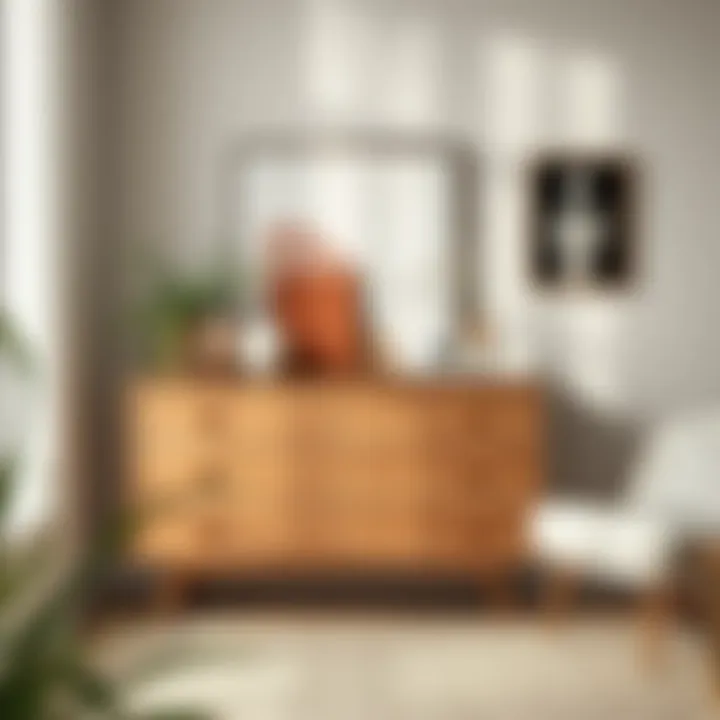
One fundamental consideration when sourcing neutral dressers is the balance between local craftsmanship and mass production. Each option has its distinct advantages and trade-offs, and recognizing these can guide you toward a thoughtful decision.
Local Craftsmanship vs. Mass Production
Buying from local crafters often means embracing the unique, hand-finished touch of each piece. When you source a dresser made by a local artisan, it typically comes with a history and an intangible quality that machine-made pieces lack. Local craftsmen often use natural materials, and many offer customization options that make the furniture even more personal. Here are some benefits of choosing local craftsmanship:
- Attentive Detailing: Artisans frequently pride themselves on the meticulous details of their work. This can result in rich textures and finishes that elevate the visual appeal of a neutral dresser.
- Sustainability: Supporting local craftspeople often translates to using locally sourced materials, which cuts down on the carbon footprint associated with transportation.
- Story Behind the Piece: Each handcrafted item carries a narrative, connecting you to the maker and the community.
However, mass-produced dressers certainly have their benefits as well. They typically come at a lower price point and boast widespread availability. If you're hunting for something that fits into a tight budget or timeline, these options can cater to such needs efficiently. Plus, many large manufacturers are now trying to imitate the artisanal styles, blending some unique shapes and textures into their designs. Although they may lack the personal touch, they often deliver great functionality and are perfect for those quick renovations.
Exploring Second-hand Options
The second-hand market is another avenue worth exploring when on a quest for neutral dressers. This approach not only stretches your budget, but it contributes to sustainability by reducing waste. Many vintage or antique pieces serve as unique conversation starters and bring a warm sense of history to your living space.
When diving into second-hand options, consider these factors:
- Quality: Older furniture often boasts superior craftsmanship compared to some modern models, giving more durability and longevity.
- Character: Scuffed edges or faded paint might not appeal to everyone, but these imperfections can add charm and authenticity to your space.
- Thrifting Adventures: Hunting through garage sales, thrift stores, or online marketplaces often leads to unexpected finds. You might stumble upon a one-of-a-kind piece that feels as though it was waiting just for you.
"Every piece has a story, and even more stories can be created with the perfect blend of old and new."
Trends Influencing the Neutral Dresser Market
In today's rapidly evolving interior design landscape, neutral dressers hold an important place. These versatile pieces not only serve functional purposes but also reflect broader trends in aesthetics and sustainability. Understanding how these trends shape consumer choices is crucial for homeowners, designers, and anyone involved in the world of furniture. By recognizing what drives the market, individuals can make selections that resonate with their style while keeping practicality in mind.
Sustainability in Design
Sustainability is no longer a trend but a necessity in furniture design. As consumers become more eco-conscious, the demand for neutral dressers made from sustainable materials has surged. This shift reflects a growing awareness of environmental impact and a desire for lasting solutions within our homes.
- Materials Matter: Homeowners now prioritize dressers crafted from reclaimed wood, bamboo, or recycled materials. These choices not only reduce waste but can also add a unique character to the piece. A dresser made from reclaimed barn wood, for instance, carries a story that new materials often lack.
- Longevity Over Fast Fashion: Investing in a well-made neutral dresser can be seen as a statement against the disposable furniture trend. High-quality materials and craftsmanship result in pieces that can endure years, even decades, of use. It’s not just about aesthetics; it’s about valuing longevity in an age of throwaway culture.
Sustainable design transcends merely the choice of materials. It emphasizes processes that minimize environmental damage, including:
- Eco-friendly finishes like low-VOC paints that are less harmful to both the environment and indoor air quality.
- Ethical labor practices, and ensuring that furniture production does not exploit workers.
- Local sourcing, which cuts down on transportation emissions and supports community economies.
Embracing sustainability in purchasing decisions aligns with a conscientious lifestyle, giving homeowners the peace of mind that they're doing their part to protect the planet.
"Investing in sustainable furniture is not just a choice; it's a profound commitment to future generations."
Smart Furniture Integration
As urban living space becomes increasingly limited, the integration of technology into furniture design has taken center stage. Neutral dressers are now being envisioned not just as standalone pieces but as integral components of smart homes.
Incorporating technology into dressers opens up a myriad of functional benefits:
- Built-in Charging Stations: Imagine a dresser equipped with USB ports or wireless charging pads. This feature alleviates clutter while ensuring your devices are always charged, perfectly merging style with convenience.
- Smart Organization Systems: Some neutral dressers now feature integrated organizational tech that helps you keep track of clothing items. With apps available to catalog your wardrobe, you can optimize storage by suggesting what to wear based on weather or occasion.
- Connectivity with Other Smart Devices: These dressers can connect to home networks, providing seamless integration with other smart home devices, like lighting that changes color according to your wardrobe.
Adopting smart furniture also speaks to a lifestyle that values efficiency and connectivity. It reflects modern living’s demands while maintaining classic styles that neutral dressers offer. The future of interior design lies in pieces that not only fulfill aesthetic desires but also cater to the fast-paced, technology-driven life we lead today.
When selecting a neutral dresser, consider how these trends can enhance functionality while aligning with personal values in design. By doing so, you’ll not only enrich your living space, but also contribute to a movement that embraces sustainable living and smart innovation.
Ending
As we draw the curtains on our examination of the neutral dresser, it becomes clear that this piece of furniture offers more than just a storage solution; it's a conversation starter, a style statement, and a testament to individual taste. The importance of the neutral dresser in contemporary home decor hinges on its ability to blend seamlessly with various interior styles. Its muted tones create a canvas for personal expression, allowing homeowners to effortlessly introduce elements of color or texture into their spaces.
The versatility of the neutral dresser extends beyond aesthetics. Functionality plays a crucial role here. Properly integrated into living spaces, it can provide practical storage options while showcasing personal items, much like a gallery of one's life. Whether used in a bedroom, hallway, or living room, these dressers often adapt to the needs of the household, making them indispensable.
Final Thoughts on Neutral Dressers
In final analysis, neutral dressers represent a balance between form and function. They cater to a wide audience, from homeowners seeking to create harmonious environments to designers aiming for minimalist elegance. DIY enthusiasts also find these pieces particularly attractive, as the neutral palette invites customization and creative modifications.
- Aesthetic Flexibility: The neutral tones of these dressers can suit any style, from rustic farmhouse to sleek modernity.
- Functional Design: Beyond being visually pleasing, their design promotes practicality, enabling effective organization and space utilization.
- Personal Touch: Each piece can be personalized through decorations or the surroundings, helping reflect the owner's character.
"A neutral dresser is not just furniture; it's a framework for making a space your own."