Model Home Kitchen Designs: Trends and Inspirations
Intro
Model homes serve as a canvas to showcase the potential of design, especially when it comes to kitchens. These are not just mere spaces for cooking but reflect a lifestyle and an aesthetic that many aspire to achieve. In this guide, we take a closer look at the various kitchen designs featured in model homes, revealing what sets them apart. Understanding these kitchens can provide invaluable insights, whether you’re a homeowner looking to revamp your space, a designer searching for inspiration, or simply a DIY enthusiast keen to implement fresh ideas.
Each model home kitchen tells a story through its layout, color scheme, and material choices. With a focus on contemporary trends coupled with timeless design principles, there’s much to unravel. Expect to see a medley of eye-catching styles that range from sleek and modern to warm and rustic. As we explore, you will notice the details that often go unnoticed but are crucial for creating a harmonious cooking environment.
This journey also highlights the significance of visual representation. Photographs can encapsulate the essence of a kitchen, guiding your choices and sparking creativity. As we delve deeper into the topic, expert advice and practical tips will provide clarity on selecting the right elements for your own kitchen. So, let’s pour ourselves a cup of inspiration and start the exploration.
Intro to Model Homes
Model homes serve as more than mere templates; they are reflections of aspirations and functional ideals that many homeowners strive to achieve. They stand as articulate evidence of what the housing market has to offer, showcasing a harmonious blend of aesthetics and practicality. In this article, we explore the intricacies of model home kitchens, providing a closer look at their design aspects that can inspire both builders and homeowners alike. Understanding the significance of model homes is paramount, particularly in today’s dynamic real estate landscape. They offer a distilled vision for prospective buyers or renovators, not just in kitchen designs but in whole-home configurations.
Understanding Model Homes
Digging deeper into what precisely constitutes a model home unveils layers of thoughtfulness in design. Typically, these structures are meticulously crafted to illustrate the potential of a specific neighborhood or housing development. Each model home is a curated experience; it is outfitted with stylish finishes and contemporary conveniences, beckoning visitors to envision a lifestyle that could be theirs. These homes often represent trends of their time, woven together with various design elements:
- Opening Up Spaces: The open floor plans present in many model homes create a sense of spaciousness, effectively merging kitchen, dining, and living areas. This is not solely for visual appeal but also enhances social interaction in everyday living.
- Thoughtful Decor: The decor is selected not just for style but to evoke emotion and inspire creativity among potential buyers. The strategic positioning of decorative elements can influence perceptions on functionality and warmth.
- Innovative Features: Many model homes incorporate technology that might not be prevalent in older homes, such as smart appliances and energy-efficient fixtures, which attract today’s eco-conscious consumers.
Through the lens of model homes, prospective buyers can weigh personal preferences against broader trends, ensuring that their choice reflects not only current aesthetics but future living needs. They guide homeowners in visualizing project scopes, encouraging them to think about what kind of kitchen atmosphere aligns with their culinary habits and entertaining styles.
The Role of Kitchens in Model Homes
Kitchens are often called the heart of the home, and in model homes, this holds particularly true. They serve as a focal point that encapsulates the entire spirit of a dwelling. Visitors to a model home frequently gravitate toward the kitchen, drawn by its design elements and functionality. In this sense, a kitchen does not merely serve as a place for meal preparation; it represents a lifestyle choice, a gathering space for families, and a venue for creating shared memories.
In model homes, kitchen designs are intentionally crafted to showcase several key elements:
- Centralized Gathering Spots: Islands and breakfast bars often dominate the kitchen layout, facilitating interaction during meal preparation or casual dining. This reflects the modern desire for community within the home.
- Efficient Workspaces: The layout must adhere to the basic principles of efficiency; including the kitchen work triangle—the optimal distance between the stove, sink, and refrigerator—to make cooking tasks smoother.
- Visual Appeal: Through design elements such as color palettes, cabinetry styles, and lighting, kitchens are designed to be pleasing to the eye, often encouraging buyers to walk in and stay for a while.
A well-designed kitchen not only pleases the eye but also enhances day-to-day living, transforming culinary tasks into enjoyable experiences.
The significance of kitchens in model homes cannot be overstated. They encapsulate a narrative that speaks to potential homeowners, inviting them to picture their lives unfolding in those carefully crafted spaces. Whether it’s the thrill of hosting friends or the joy of family dinners, a model home kitchen isn’t just a picture; it’s a vision for a future filled with comfort and sustainability.
The Importance of Kitchen Design
In the realm of model homes, kitchen design plays a vital role in creating a welcoming and functional space. The kitchen often serves as the heart of any home, where family meals are shared and cherished memories are made. Designing a kitchen that not only looks good but also works well is essential for modern living. Understanding the importance of kitchen design can help homeowners and designers make informed choices that enhance the overall appeal and functionality of these vital spaces.
Key Benefits of Thoughtful Kitchen Design:
- Increased Home Value: A well-designed kitchen can significantly raise the attractiveness of a home, appealing to potential buyers and translating into a higher sale price.
- Enhanced User Experience: When the layout is tailored to fit how people actually use the kitchen, cooking becomes a more enjoyable task rather than a chore.
- Better Flow and Functionality: A thoughtfully designed kitchen can facilitate smoother transitions between various cooking tasks, ultimately saving time and effort.
In this section, we delve deeper into the importance of kitchen design by examining its aesthetic appeal and functional layouts, highlighting how each contributes to the effectiveness and allure of model home kitchens.
Aesthetic Appeal
A kitchen’s appearance can create a lasting impression, both for homeowners and visitors. Visual appeal matters; it’s the difference between a space that feels lively and inviting versus one that feels dull and uninspiring. Incorporating unique design elements can elevate the look of the kitchen. Consider these aspects that contribute to the aesthetic value:
- Color Schemes: Selecting the right colors can transform a kitchen from ordinary to extraordinary. For example, soft pastels can impart calmness, while bold hues can energize the space.
Coupling contrasting shades can also help to create depth. - Lighting: A well-lit kitchen not only enhances functionality but also sets the mood. Layering different types of lighting—such as pendant lights, recessed lighting, and under-cabinet options—can make a kitchen feel more spacious and welcoming.
- Textures and Materials: Mixing textures can add a tangible richness to the space. Matte finishes alongside glossy surfaces can create a vibrant contrast. Natural materials like wood and stone evoke warmth and connection to nature.
- Decorative Elements: Including personalized touches like artwork, decorative pots, and stylish utensils can lend character to the kitchen. For example, having an eye-catching backsplash can act as a central theme around which the rest of the decor unfolds.
In essence, the aesthetic appeal of a kitchen goes beyond mere decoration—it creates an atmosphere that reflects personal taste and fosters comfort.
Functional Layouts
A beautiful kitchen loses its charm if it isn’t practical. Thus, functional layouts are just as significant as visual elements. An outline that supports usability can lead to increased efficiency, making everyday cooking and entertaining feel seamless. Here are some key considerations:
- The Work Triangle: This classic kitchen design principle emphasizes the placement of the stove, sink, and refrigerator in a triangular layout, minimizing movement and maximizing efficiency while cooking.
- Zoning: Designing distinct zones for preparation, cooking, cleaning, and socializing can elevate the kitchen functionality. This approach accommodates multiple users, ensuring that everyone has space to work without stepping on each other's toes.
- Smart Storage Solutions: Incorporating storage options that conceal clutter while maintaining easy access is key. Pull-out shelves, drawer dividers, and vertical storage designs can optimize a small kitchen’s layout.
- Accessibility: Ensuring that kitchens are accessible aligns with principles of universal design. This means everything from reachable shelves to easily operable faucets can enhance usability for everyone, regardless of ability levels.
Popular Kitchen Styles in Model Homes
When it comes to model home kitchens, styles play a pivotal role. The aesthetics and functionality of a kitchen can define the overall feel of a home. Knowing popular kitchen styles helps homeowners, designers, and DIY enthusiasts make informed decisions. It also clarifies how a particular style aligns with personal taste and the latest design trends.
Modern Kitchen Designs
Modern kitchen designs have been making waves for their sleek lines and minimalist approach. Key characteristics include open spaces, flat panel cabinets, and frequently, a monochromatic color scheme. Stainless steel appliances and quartz countertops are common fixtures that offer durability while maintaining an elegant look.
Additionally, lighting plays a significant role; pendant lights above an island or recessed lighting can set the stage effectively. The emphasis is on functionality—think about incorporating pull-out shelves and open shelving for easy access without clutter. One must consider that functionality does not need to sacrifice beauty.
Some benefits of modern kitchen designs include:
- Efficiency: Optimized layouts often allow for better workflow.
- Timelessness: While trends come and go, a modern aesthetic almost always remains desirable.
Traditional Kitchen Aesthetics
Traditional kitchen aesthetics evoke a sense of familiarity and warmth. Characterized by detailed cabinetry, often in rich woods, and intricate molding, this style showcases craftsmanship. Think about painted cabinets in classic colors and complementary hardware; these are features that add a touch of elegance.
Notably, traditional kitchens often include elements like island seating, face-frame cabinetry, and rustic touches, such as farmhouse sinks. Decor is usually warm and inviting, embodying a lived-in feel. Those who appreciate a cozy and welcoming space will resonate well with traditional aesthetics.
Considerations for traditional kitchens often include:
- Comfort: Evokes a homey atmosphere that welcomes family and friends.
- Versatility: Can integrate modern appliances without losing its charm, making it suitable for varied lifestyles.
Transitional Style Kitchens
Transitional style kitchens serve as a perfect bridge, joining the sleekness of modern design with the warmth of traditional elements. This style is about balance, playing with contrasts in materials, textures, and colors. Expect to see light and airy cabinetry paired with darker or textured countertops, creating a stunning effect.
Using a blend of classic and contemporary features allows for personalization. Color palettes in transitional kitchens often lean towards earth tones or muted hues, which create a serene environment. The layout can remain open while maintaining designated spaces through clever design choices.
Key aspects of transitional kitchens include:
- Adaptability: Easily modify elements as styles evolve without a complete redesign.
- Sophistication: The combination of various influences can elevate the overall appeal, making it suitable for various homeowners.
"In the realm of kitchens, style choice isn't merely aesthetic; it’s a personal declaration of lifestyle."
In summary, choosing the right kitchen style is essential. Various styles—modern, traditional, and transitional—reflect different tastes and needs. Paying close attention to the components and principles behind these designs can elevate not just the kitchen itself, but also the entire home experience.
Key Elements of Kitchen Design
When thinking about kitchen design, it’s essential to understand that it’s not just about aesthetics but also functionality and comfort. The kitchen serves as the heart of the home, where family and friends gather. The key elements of kitchen design play a crucial role in this, as they ensure that the space is efficient yet inviting. Every small decision, from color selection to the type of materials used, can significantly affect the overall look and feel.
Color Schemes
Choosing the right colors can make or break a kitchen's atmosphere. Color influences mood and perception, impacting how spacious or cozy a kitchen feels. Soft, neutral colors like beige or pale gray can create a calm and soothing environment. In contrast, vibrant shades such as cobalt blue or rich forest green can add energy and create a unique personality.
- Neutral Colors: Often, these serve as a backdrop, allowing accessories and cabinetry to shine.
- Accent Colors: These can be introduced through backsplash tiles, decor, or vibrant kitchenware.
Using color wisely includes considering how natural light interacts with the chosen palette. For example, a kitchen that gets abundant sunlight might benefit from cooler tones to balance warmth. Additionally, coordinating colors between walls, cabinets, and flooring is key for a cohesive look.
Materials and Textures
Material selection is about more than looks; it directly correlates to the durability and maintenance of the kitchen. Consider these aspects:
- Countertops: Options such as granite, quartz, or butcher block each bring their own flavor and necessitate different care routines. Granite is sturdy but needs sealing; quartz offers variation and low maintenance.
- Cabinetry: Solid wood provides long-lasting strength, while laminate can be more cost-effective but may not have the same lifespan.
- Flooring: Hardwood speaks to elegance, while tile adds practicality, especially when considering spills.
Textures also contribute to the overall feel of the kitchen. A polished countertop can contrast nicely with a rough-textured backsplash, injecting character and depth.
Cabinetry Choices
Cabinets are often the focal point of any kitchen, so the choices made here impact both functionality and style. When selecting cabinetry, two main factors to consider are style and storage capacity:
- Style: Ranging from traditional raised-panel designs to sleek, flat-front modern options, cabinetry should align with the overall theme of the space.
- Storage Capacity: Consider integrated solutions such as pull-out shelves or built-in organizers to maximize functionality while keeping the kitchen clutter-free.
Open shelving has become trendy for those who want to showcase dishware or decor, but it does require a commitment to keeping things tidy!
Countertop Options
The choice of countertop is vital in the kitchen's functional landscape. Many homeowners weigh their options based on durability, maintenance needs, and appearance:
- Granite: A classic option, appreciated for its durability and unique patterns.
- Quartz: Made from engineered stone, ideal for a consistent look and no sealing necessary.
- Marble: Luxurious and timeless, but prone to scratches and stains, needing more care.
Assessing how each option holds up against daily wear and tear, along with its interaction with the kitchen's overall design, is fundamental. Conditions such as cooking habits and family lifestyle also dictate the best choice.
"The right countertop can elevate the kitchen from merely functional to utterly feastful."
Ultimately, it’s about finding a balance that reflects personal style while being practical for everyday use. Careful consideration of each element within kitchen design helps to forge a space that is both beautiful and deeply personal.
Photography as a Design Tool
In the realm of kitchen design, photography emerges as a critical tool that informs and inspires. It transcends mere visuals, capturing the essence of design elements and showcasing the heart of the home. Engaging imagery can elevate a simple kitchen design into something truly extraordinary. Designers and homeowners alike can benefit from the power of photography, as it helps to crystallize concepts, revealing hidden potentials in even the most modest spaces.
The Power of Visuals in Design
The phrase "a picture is worth a thousand words" rings particularly true in the context of kitchen design. Visuals convey a wealth of information that text alone simply cannot achieve. Imagine flipping through a design magazine or scrolling through Pinterest – it’s the images that strike a chord, allowing viewers to envision their culinary spaces. Photographs not only illustrate the design but also evoke emotions, setting a mood that could influence decisions. They serve as a springboard for creativity, prompting ideas that might not surface from reading descriptions.
In practical terms, well-composed photographs can highlight unique aspects of a kitchen, such as innovative storage solutions or clever lighting setups. High-quality images can also showcase textures, colors, and materials in a way that can’t be easily conveyed through words. For instance, if a kitchen features sleek stainless steel appliances juxtaposed with rustic wood cabinetry, the interplay of these elements can be strikingly clear in a photograph. This clarity allows potential homeowners to visualize how these choices would fit in their own homes.
Showcasing Different Styles
A well-executed photograph allows various kitchen styles to shine through, making it easier to categorize and appreciate the eclectic world of kitchen design. Each style—from contemporary minimalism to traditional elegance—possesses its nuances that can easily become lost in translation without the right visuals.
For example, a modern kitchen might be photographed with a clean, uncluttered backdrop, allowing the sophisticated lines of the cabinetry to take center stage. In contrast, a traditional kitchen can be beautifully showcased with warm lighting that highlights intricate details in woodwork and decor. Such differentiation helps homeowners identify their preferences more clearly before settling on a design direction.
Curating a collection of images that highlight different styles can be a source of inspiration. Designers can create comprehensive portfolios that capture the essence of various trends, guiding clients in their decision-making process. Whether it's the sleekness of a Scandinavian kitchen or the charm of a farmhouse-style setup, photography provides a lens through which these styles can be appreciated fully.
Creating Mood Boards
Mood boards are a fantastic way to conceptualize design ideas, and photography plays an integral role in their creation. A mood board can help stitch together various inspirations, colors, textures, and layouts into a coherent vision. Imagine combining photographs of vibrant tile backsplashes, rich countertop materials, and eclectic kitchen fixtures, all laid out to weave a story about the desired aesthetic.
When gathering images for a mood board, it’s essential to choose photos that evoke the feelings you want to trigger in the finished space. A carefully curated collection of images can aid in aligning your vision with practical considerations, ensuring the style is not just appealing but also viable. With the rise of digital tools, creating these boards has never been easier. Designers can use platforms like Canva or Photoshop to arrange their select captures, fine-tuning their dream kitchens visually before committing to design choices.
Visual representations through mood boards allow for experimentation without the pressure of decision-making, paving the way for inspired kitchen environments.
Maximizing Space in Kitchen Design
When it comes to kitchens, maximizing space isn't just a matter of fitting everything in. Rather, it's about creating a sense of openness and functionality that allows the kitchen to become a true heart of the home. In model homes, where kitchens often serve as a showcase for potential buyers, how space is utilized can make a world of difference. This aspect of kitchen design is vital not just for aesthetic appeal but also for enhancing the overall user experience.
Creating a space that feels larger than it is can significantly improve the kitchen’s usability. Many people find themselves stuck in tiny kitchens, battling with clutter and limited workflow. This is where innovative design choices come into play. An efficiently designed kitchen not only looks good but also offers a seamless cooking and social environment.
Open Concept Layouts
Open concept layouts have become increasingly popular in modern model homes. They allow for the kitchen, dining, and living spaces to flow into one another, effectively removing barriers that can make a space feel cramped. With fewer walls to contend with, the areas within a home feel larger and more interconnected. Here are some key elements of open concept designs:
- Enhanced Interaction: Cooking without isolation means greater family interaction during meal prep.
- Natural Light Flow: Open layouts often allow more natural light to flood the space, creating a warm and inviting atmosphere.
- Flexibility in Use: Such designs offer flexibility for hosting or family gatherings without awkward corner spaces.
Utilizing Vertical Space
In the quest for maximizing space, vertical space is often the unsung hero. Walls that seem simply decorative can serve as prime real estate for additional storage and style. Here are practical ways to make the most of vertical space:
- Tall Cabinets: Stretching cabinetry towards the ceiling makes use of every nook and cranny, providing extra storage without taking up floor space.
- Open Shelving: Instead of traditional cabinets, open shelves can not only hold items but also display beauty, like cookbooks or decorative dishes.
- Wall-Mounted Racks: These can hold pots, pans, and utensils within arm's reach, freeing up counter space.
Multifunctional Furniture
The kitchen landscape can greatly benefit from multifunctional furniture. With a bit of creativity, certain pieces can serve multiple purposes, making them indispensable in smaller kitchens. Some options include:
- Kitchen Islands with Storage: Islands can act as prep areas, dining spaces, and storage units all rolled into one.
- Fold-Out Tables: These tables provide extra dining or prep space and can be tucked away when not needed, maintaining an uncluttered look.
- Bench Seating with Storage: Built-in benches can offer comfortable seating while hiding away kitchen essentials and minimizing space usage.
Maximizing kitchen space requires a thoughtful balance between functionality and design, allowing homeowners to enjoy their kitchens without feeling constrained.
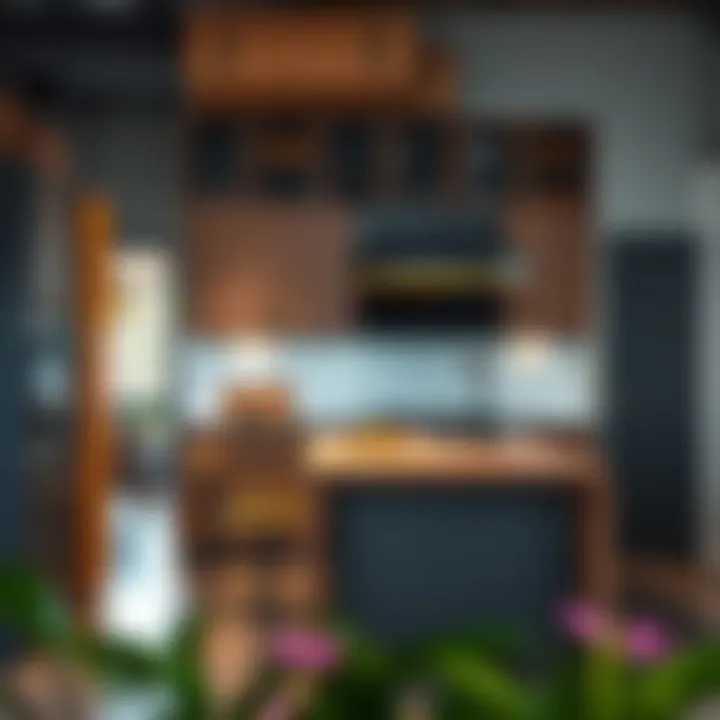
Designing a kitchen with space limitation in mind doesn’t have to be a hard task. With the right strategies, anyone can navigate the nuances of kitchen layouts, making the best out of what they have. Whether it's incorporating multifunctional furniture or using vertical space wisely, each decision contributes to creating a more inviting and efficient environment. By paying close attention to how space is maximized, homeowners can enhance their living experience and create a kitchen that truly serves their needs.
For further insights into kitchen design, visit Wikipedia on Kitchen Design or explore community discussions on Reddit.
Kitchen Trends to Watch
In the ever-evolving world of home design, kitchen trends are always a hot topic. They highlight not just what’s fashionable, but also what’s functional and sustainable. As homeowners and designers explore new ideas, it’s vital to keep an eye on these trends. They can shape the future of kitchens, transforming them into spaces that reflect personal style while meeting practical needs. From eco-friendly materials to cutting-edge technology, these trends influence choices and ultimately enhance the way we experience our cooking spaces.
Sustainable Materials
Sustainable materials are gaining traction in kitchen design, and for good reason. In an age where environmental awareness is paramount, homeowners are looking for options that align with their values. Using materials like bamboo, reclaimed wood, or recycled glass can make a notable impact. Not only do they reduce waste, but they also introduce a unique aesthetic that can differentiate a kitchen from the old cookie-cutter styles.
- Durability: Sustainable materials are often robust, meaning they last longer and require less frequent replacement. For example, bamboo can withstand the rigors of a busy kitchen, offering both a stylish and sustainable option.
- Healthier Choices: Opting for low-VOC finishes on cabinetry or countertops reduces harmful emissions, creating a healthier environment for your family.
- Cost-Effectiveness: Over time, investing in sustainable materials may lead to savings in maintenance and energy use, making it a wise investment.
"Embracing sustainable materials does not just beautify your kitchen; it contributes to a better planet by reducing your environmental footprint."
Smart Kitchen Technology
With the rise of smart home technology, the kitchen is no exception. The integration of smart devices is transforming kitchens into hubs of efficiency and ease. Imagine controlling your oven from your smartphone, or having your fridge alert you when you're low on essentials. Smart kitchen technology brings several advantages:
- Convenience: Automated systems can streamline cooking processes. Smart appliances like the Samsung Family Hub refrigerator allow you to manage meal plans and grocery lists all in one place.
- Energy Efficiency: Smart thermostats and energy-efficient appliances can help homeowners save on utility bills by optimizing usage patterns.
- Safety Features: Many modern ovens come equipped with shut-off features and warning systems that provide peace of mind while cooking.
As technology continues to advance, it’s crucial for homeowners to stay abreast of these innovations. Implementing smart features can not only enhance functionality but also elevate the entire kitchen experience.
Case Studies: Model Home Kitchens
Examining case studies of model home kitchens offers invaluable insights into current design trends and practical applications. These real-world examples illuminate how different styles and features come together to create functional and aesthetically pleasing spaces. Homeowners, designers, and enthusiasts can learn from these studies about what works well in specific contexts and how to apply similar concepts in their own kitchens.
Successful Designs in Urban Areas
Urban environments pose unique challenges for kitchen design due to space limitations and the need for multifunctionality. In many city locations, kitchens serve as not just a place to cook, but also as social hubs where friends gather and families connect.
Case Study 1: Contemporary Loft in Chicago
This model home kitchen is designed with an open concept, visually merging the cooking area with living and dining spaces. Key features include:
- Stainless Steel Appliances: Sleek and modern, complementing the urban chic vibe.
- Light Hardwood Flooring: Enhances the bright, airy feel of the space.
- Open Shelving: Offers both practicality and aesthetic appeal, allowing for easy access to everyday items while displaying decorative dishes.
"The design transforms the kitchen into a central point of social interaction, essential in urban living where space is often at a premium."
Rural Inspirations
Rural kitchens often seek to blend rustic charm with modern functionality. These spaces typically emphasize warmth and invite family gatherings. Plenty of natural materials and earthy tones create a relaxing atmosphere.
Case Study 2: Farmhouse Kitchen in Vermont
This model highlights the beauty of rural cooking areas where tradition meets contemporary needs. Key highlights include:
- Natural Wood Beams: These create an inviting ambiance and reflect the beauty of the outdoors.
- Farmhouse Sink: An iconic feature that serves as a statement piece while complementing the overall design ethos.
- Granite Countertops: Provide durability while showcasing the rugged beauty of nature.
With these case studies, the variety in kitchen designs shows that whether in an urban setting or a tranquil countryside, there’s a world of possibilities to inspire and inform. They provide a solid foundation for making thoughtful decisions about kitchen renovations and designs.
Finale and Future Perspectives
As we wrap up our exploration of model home kitchens, it's essential to understand that the kitchens we envision today will shape the cooking environments of tomorrow. The choices we make in kitchen design are not merely aesthetic; they reflect our lifestyles and aspirations.
Reflecting on Design Choices
When you step back and ponder on what makes a kitchen not just functional, but also a heartbeat of the home, you uncover layers of intention behind each design decision. From the layout that fosters movement to the materials that offer longevity and style, every element serves a purpose. For homeowners and designers, the opportunity to reflect on these choices often leads to better designs in future projects. Is the color scheme aligned with the mood you want to cultivate? Have you considered how the textures of your countertops interact with various appliances?
Beyond personal preference, it’s worth contemplating how these choices impact resale value and market trends. For instance, a sleek, modern kitchen might appeal to a younger audience, while a cozy, traditional setup could attract families seeking comfort. Balancing your personal style with practical considerations is key, not only for current enjoyment but also for future adaptability.
Evolving Trends in Kitchen Design
We stand at the threshold of numerous shifts within kitchen design, each trend more intriguing than the last. Sustainability is no longer just a buzzword; it's a necessity. Materials that are eco-friendly and responsibly sourced are gaining traction. Reclaimed wood, recycled metal, and low-VOC paints not only reduce our ecological footprint but also tell a story of conscientious living.
Smart technology keeps redefining what it means to cook and entertain. Features like integrated Bluetooth speakers or smart refrigerators that help with meal planning change the game significantly. Not only do these innovations offer convenience, but they also enhance the overall cooking experience.
"The kitchen is where family life takes place; it is the heart of the home and a hub of creativity."
As we move forward, it’s clear that kitchens will continue to evolve, adapting to our need for flexibility and functionality. Homeowners would benefit from staying updated on these trends, and designers should continually flex their creative muscles to produce spaces that reflect changing lifestyles.
Whether you’re remodeling your space or starting from scratch, keeping these factors in mind will lead to a kitchen that stands the test of time, not just in durability, but in relevance as well. The key is to embrace the present while keeping a watchful eye on what lies ahead.