
Maximizing Space with Stylish Multi-Level Plant Stands

Intro
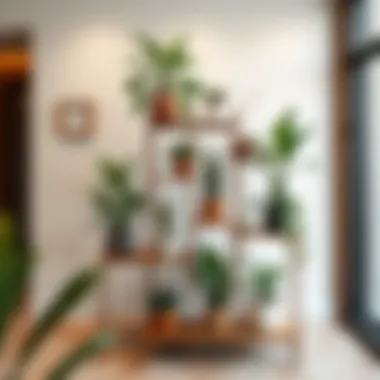
In the realm of home decor, plant stands often get overshadowed by larger furniture pieces. However, multiple level plant stands are a gem worth exploring. These versatile structures showcase an array of plants, helping to elevate spaces while introducing life and color to both indoor and outdoor environments. With their increasing popularity, understanding their design and functionality can provide homeowners and enthusiasts with unique options to redefine their spaces.
Multiple level plant stands come in a myriad of designs that cater to various aesthetic preferences. Whether your style leans towards minimalistic chic or a more rustic charm, there's a plant stand that complements your vision. Beyond aesthetics, these structures serve practical purposes, such as organizing plants to optimize sunlight exposure or even creating a focal point in a room.
As we delve into the nuances of multiple level plant stands, we will cover the latest furniture design trends, essential buying guides, and useful maintenance tips to aid in your decision-making process.
Prelude to Multiple Level Plant Stands
When it comes to cultivating greenery in our homes, maximizing space and creating an inviting atmosphere is key. Multiple level plant stands serve as a vital tool in this respect. They not only cater to our love for plants but also bring a touch of style and organization to our living spaces. By utilizing vertical space, these stands allow for a greater array of plants to flourish where there may be limited floor area. This is particularly beneficial for urban dwellers or individuals residing in smaller homes.
Defining Multiple Level Plant Stands
Multiple level plant stands are precisely what they sound like—structures designed to hold various plants at different heights. The typical design includes a series of shelves or tiers, each capable of holding a pot or smaller plant. With various styles ranging from sleek metal frames to rustic wooden designs, they can be seamlessly integrated into any decor scheme. Their increasing popularity is due to this versatility, and the ability to showcase plants in an aesthetically pleasing manner.
The Historical Context of Plant Stands
Tracing back to ancient times, the need for plant stands can be seen in historical gardens across cultures. Ancient Egypt featured elevated garden beds, an early form of plant stands, primarily to protect plants from harsh conditions or pests. Fast forward to the Victorian era, where indoor gardening blossomed, and plant stands became fashionable items in homes, often made of wrought iron or intricately carved wood. The motif of using layers to elevate plant life has evolved, but its essence remains. Today, contemporary designs reflect a blend of old-world charm and modern sleekness, appealing to both traditionalist and modernist home decorators.
A thought to ponder: as we navigate through urban life where space feels scarce, perhaps it’s no surprise that the historical affection for plant stands has returned with fervor. This historical context not only enriches our understanding of plant stands but emphasizes their enduring relevance in modern decor. The balance of practicality and beauty remains timeless, inviting all to incorporate greenery into their lives.
The Benefits of Using Multiple Level Plant Stands
Multiple level plant stands bring a multitude of advantages to both the homes of plant lovers and the design sensibilities of countless decorators. They aren't merely about aesthetics; their functional aspects add considerable value in multiple ways. In this section, we will explore how these stands can significantly transform spaces, optimize plant care, and enhance overall wellbeing in indoor environments.
Maximizing Space in Small Areas
For those living in cozy apartments or quaint houses, space can often feel like a puzzle that needs careful consideration. Multiple level plant stands serve a fundamental purpose: utilizing vertical space effectively. When floor area is limited, stacking plants vertically can create an attractive green oasis in even the tiniest of nooks. You might consider a tiered stand on a windowsill, where each layer catches the light just a bit different.
- Consider these tips when maximizing space:
- Choose stands that fit snugly into corners or beside furniture.
- Opt for designs that offer varied shelf heights to accommodate different plant sizes.
- Arrange plants according to their light and water needs to create a functional ecosystem.
By lifting plants off the ground and showcasing them at varying heights, you'll draw attention away from limitations and turn them into design assets. Small spaces don't have to be devoid of life; they can be lush sanctuaries with a little creativity.
Enhancing Aesthetic Appeal
A well-placed plant stand can shift the mood of a room from ordinary to extraordinary in the blink of an eye. Think about it: a simple tiered plant stand can act as a beacon of natural beauty, drawing the eye and creating layers within the decor.
Imagine a living room with a sleek metallic rotating plant stand. It could be the centerpiece that inspires conversation, as guests admire your curated selection of greenery. Adding color with plants not only uplifts your space but can also influence your mood and productivity.
- Benefits of enhancing aesthetic appeal include:
- Creating visual interest: Different heights and varieties of plants help break the monotony of flat surfaces.
- Personal expression: Displaying your favorite plants in a stand showcases your personality and style.
- Bringing the outdoors in: Plant stands blur the line between inside and out, fostering a sense of connection with nature.
When integrating plant stands into your space, the arrangement should feel intentional, providing charm and enriching your home’s character.
Improving Plant Health through Light Distribution
Plants are dependent on light, and the proper distribution of light can determine whether they thrive or wither. Lucky for us, multiple level plant stands facilitate efficient light distribution. By positioning plants on different levels, you can ensure they receive the appropriate amount of sunlight recommended for their specific needs—an essential factor in their health.
- Here’s how light distribution can be optimized:
- Top-level positioning: Use the top tier for plants that require full sunlight.
- Bottom levels: Select lower tiers for shade-loving plants, which don't need as much exposure.
- Rotating stands: Incorporate rotating designs to change the angle of sunlight exposure as needed.
Furthermore, grouping plants with similar light needs on the same stand can make your life easier by minimizing the hassle of relocating each one to meet diverse lighting conditions. Ultimately, these thoughtfully designed stands can create thriving microenvironments for various species.
"In order to bloom, you need the right conditions, and that's something a good plant stand can provide."
Through these various benefits, multiple level plant stands prove to be more than mere decor—they are smart solutions that enhance functionality while celebrating the beauty of plant life in our homes. Whether you’re styling a new space or just trying to keep your green friends alive, a well-chosen plant stand can make all the difference.
Types of Multiple Level Plant Stands
When delving into the variety of multiple level plant stands, it becomes evident that each type serves a distinct purpose, catering to the diverse needs of plant lovers and interior decorators alike. These stands are not just about aesthetics; they provide practical benefits that significantly enhance the living environment. By understanding the different types available, you can make informed decisions that align with your space, style, and plant care desires.
Vertical Plant Stands
Vertical plant stands are a game-changer for maximizing wall space. Designed to rise high rather than spread wide, they are perfect for small apartments or homes where floor space is at a premium. One notable advantage of vertical stands is their ability to showcase a variety of plants in an upward design, drawing the eye and creating a dynamic visual experience.
The arrangements can range from simple, ladder-style designs to intricate models integrated with modular shelving. For instance, a multi-tiered vertical stand can position smaller plants at the bottom and gradually increase the size of the plants up the levels, ensuring that each gets the right amount of light. It's also a breeze to swap out plants as needed, allowing for seasonal refreshes without significant effort.
"Vertical stands are like sculptures that breathe life into your walls. Each plant tells a different story, and together they create a garden in the air."
Tiered Plant Stands
Tiered plant stands offer a more traditional approach, often featuring multiple horizontal levels. This design is versatile, making it ideal for larger spaces, such as living rooms or garden corners. Tiered structures can effectively create layers, which is both visually appealing and allows for better light distribution among the plants.
Theses stands come in various designs, from rustic wooden creations to chic metal frameworks. One fantastic feature of tiered stands is that they can often be tailored to your particular needs, like incorporating specific spaces for pots and allowing plants of different heights to thrive together. They work wonders for grouping plants that share similar care requirements, making maintenance more manageable.
Rotating Plant Stands
Rotating plant stands, while perhaps less common, bring a unique flair to plant care routines. These stands allow plants to be easily rotated to ensure even sunlight exposure, preventing any one side from remaining in the shade too long. This is particularly beneficial for plants that are sun-seeking or those that tend to grow lopsided due to uneven light.
Often designed with a rotating base, these stands can be found in both simple and more elaborate styles. You might come across models that include several levels for different plants, or even ones customized with added features like integrated watering systems. Cleverly designed rotating stands can provide significant benefits in maintaining healthy growth and vibrant color, ensuring your plants always look their best.
In summary, when choosing a type of multiple level plant stand, consider how you can match these distinct designs to your home and plant needs. From the vertical to tiered and rotating options, each style brings its own advantages, making sure that your plant arrangements not only beautify your space but also promote better plant health.
Choosing the Right Material for Your Plant Stand


When it comes to selecting a multiple level plant stand, the material is a crucial aspect to consider. Each material offers its own blend of aesthetics, durability, and functionality, greatly influencing how the stand fits into your home or garden. The right choice can elevate your plant presentation, while the wrong one may lead to dissatisfaction down the line. Here we will discuss the three primary materials used in crafting plant stands: wood, metal, and plastic. This exploration will help you understand what suits your needs best.
Wood: A Timeless Choice
Wooden plant stands often evoke a sense of warmth and familiarity. They can seamlessly blend with various decor styles, from rustic to contemporary. One major attribute of wood is its durability. High-quality types such as oak or teak can withstand weather elements if used outdoors, without compromising stability.
Additionally,
- Wood is easy to customize. Whether it's staining, painting, or simply polishing, you can achieve different looks without starting from scratch.
- It also has natural insulation properties, helping protect roots from extreme temperatures. This becomes vital in preserving the health of your plants.
However, it is essential to remember that wooden stands require maintenance to prevent rot and insects from taking over. Regular checks and treating the wood can extend its life significantly.
Metal: Durability and Modernity
When thinking about metal, words like strength and resilience come to mind. Metal plant stands, especially those made from wrought iron or stainless steel, provide robust support for heavier pots and large plant arrangements. These stands often bring a modern edge to both indoor and outdoor spaces.
Here are some points to keep in mind:
- Resistance to weather conditions makes metal stands a great choice for outdoor settings. Rain, sun, or frost won’t easily harm them.
- They can come in various finishes, complementing high-end designs or minimalistic aesthetics.
- Metal is generally lower-maintenance than wood, making it more accessible for those who prefer not to fuss over regular upkeep.
On the flip side, metal can heat up under the sun, which could potentially affect plants’ health. It’s advisable to place them in a way that avoids excessive exposure, especially during hotter months.
Plastic: Lightweight and Versatile Options
Plastic plant stands may not carry the same prestige as wood or metal, but they undeniably offer their own set of advantages. The lightweight nature of plastic makes it extremely easy to move around, which is perfect for those who like to frequently rearrange their plants. Plus, plastic is often resistant to weathering, making it suitable for outdoor use as well.
Consider the following benefits:
- Versatility in design and color allows for creative expression. You can find options that mimic other materials or come in vibrant hues to match a specific theme.
- Many plastic stands come with features like built-in drainage systems to keep your plants healthy and prevent overwatering.
- The ease of cleaning is unmatched; a quick wipe down or rinse can restore its original luster.
However, it’s worth noting that not all plastic stands are created equal. Cheap varieties can become brittle over time, especially when exposed to harsh sunlight. It’s wise to look for UV-resistant models if you plan to use them outside.
Choosing the right material for your plant stand can be the difference between a functional piece and a beloved addition to your decor.
In summary, when weighing your options for plant stand materials, it’s important to reflect on not only the visual aspect but also how well the material supports the health of your plants and fits into your lifestyle. Evaluate your space, plant types, and personal preferences to find the perfect match.
Design Considerations for Plant Stands
When choosing the right plant stand, it’s crucial to consider various design elements. The design of a plant stand not only affects its functionality but also influences the overall aesthetic of a space. There are several key aspects to keep in mind to ensure that the stand meets both practical needs and design expectations.
Height and Accessibility
One of the primary considerations when selecting a plant stand is height. An optimal height should provide ease of access for maintenance, such as watering or pruning. If the stand is too tall, it becomes cumbersome, making tasks more difficult. Conversely, if it’s too low, plants may not receive adequate light or create a visually appealing display.
The right height allows homeowners to enjoy the beauty of their plants without straining. An ideal outcome includes arranging taller plants at the top and shorter ones below, creating a tiered effect that draws the eye upwards. Accessibility also includes the usability of pots and plant sizes. Make sure that pots can be inserted and removed without hassle, especially for bigger plants.
Weight Capacity and Stability
Every plant stand is not built the same way. Weight capacity is a crucial factor that can’t be ignored. A plant stand needs to bear the weight of the plants plus the pots, which can become significant, especially with larger plants. It's wise to consider the material and construction, as well. Wood might be aesthetically pleasing but may warp under heavy loads, while metal is generally more sturdy.
Stability goes hand-in-hand with weight capacity. A wobbly stand can become problematic, especially in homes with pets or small children running about. Assessing the base width and the overall construction will give a clear idea of how stable the stand will be. As a general rule, the wider the base in relation to the height, the more stable it will be. Moreover, ensuring that the top surface is flat can help keep pots secure, minimizing the risk of accidents.
Compatibility with Various Plant Sizes
The versatility of plant stands allows them to accommodate various types and sizes of plants. A well-designed stand will have adjustable levels or platforms that cater to different sizes, ensuring that plants are displayed beautifully and have space to grow. Ensuring that your plant stand can accommodate a range of plant sizes helps achieve a cohesive look in your home.
Using stands that feature multiple levels permits creative arrangements. Larger plants could be positioned at the bottom or middle levels, while smaller succulents or herbs could adorn the top tier. This not only maximizes space but also enhances overall aesthetic appeal. Additionally, it helps maintain a healthy growth environment by allowing each plant sufficient light and airflow.
Ultimately, taking these design considerations into account helps in selecting or creating a plant stand that serves both function and style. A thoughtful approach to design can elevate the experience of caring for plants, making it not just a task, but an integral part of the home’s aesthetic landscape.
Placing Multiple Level Plant Stands in Your Home
Incorporating multiple level plant stands into your home can profoundly transform your living space while serving a practical purpose. These stands not only maximize your vertical space but also provide an opportunity for creative expression through plant arrangements. The strategic placement of these stands can enhance the aesthetic appeal, create focal points, and even improve the overall health of your plants. The following sections will delve into specific locations within your home where multiple level plant stands can be utilized effectively.
In Living Rooms and Common Areas
The living room is often the heart of the home, a space where families gather and guests are entertained. This area offers a prime opportunity to use multiple level plant stands. Depending on your aesthetic preference, the stands can range from sleek modern designs to rustic wooden structures that add warmth.
Using a tiered stand can create a striking visual display. For instance, placing it near a window can help your plants receive ample natural light while enhancing the liveliness of the room. Consider mixing different types of plants—like ferns, succulents, or flowering varieties—to bring varied textures and colors to your decor. You might also use these stands as dividers to create cozy little corners in open floor plans, showcasing plants that suit each area's vibe.
Incorporating plants into your living space not only adds beauty but can also improve air quality.
In Bedrooms as Decorative Features
Bedrooms are personal sanctuaries that benefit significantly from the calming presence of plants. Here, multiple level plant stands can serve as stylish nightstands or whimsical display pieces. Placing a small, tiered stand beside your bed can hold succulents, helping to purify the air and contribute a tranquil touch to your nightly routine.
If your bedroom has limited horizontal space, consider a vertical plant stand on a wall. This option draws the eye upward, making the room feel more spacious while simultaneously creating a calming atmosphere. When selecting plants, opt for low-maintenance varieties, like snake plants or pothos, which thrive in lower light and require minimal care.
In Entryways for Welcoming Displays
The entryway is the first impression of your home. Utilizing multiple level plant stands in this space can lend a warm, inviting feel from the moment guests step inside. A well-placed stand can capture attention, acting as a subtle invitation for visitors to explore further.
Consider arranging seasonal plants or vibrant flowers at varying heights. This not only adds interest but also keeps the entryway lively throughout the year. When choosing a stand, look for one that complements your existing decor—whether that’s minimalist, industrial, or classic. This thoughtful integration creates a cohesive look, making your entryway memorable.
In summary, placing multiple level plant stands throughout your home offers both practical and aesthetic benefits, enhancing your spaces significantly. As you delve into the next sections, keep in mind how various styles and locations can impact the overall experience in your home.
Outdoor Uses for Multiple Level Plant Stands
When it comes to the outdoors, multiple level plant stands serve a dual purpose: they add beauty while providing vital support for your green companions. These stands can transform any outdoor space, from cozy balconies to expansive gardens, allowing for an organized display that showcases the vibrant colors and textures of various plants. Let’s delve into how you can utilize these stands effectively, making the outdoor areas of your home more engaging and functional.
Patio and Garden Displays
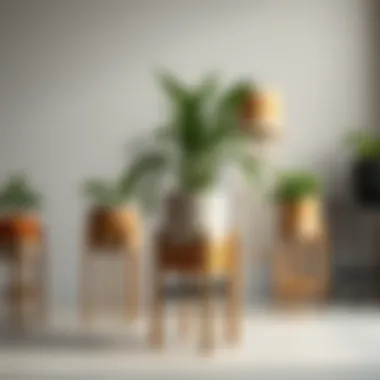

Utilizing multiple level plant stands on your patio or in a garden brings forth an array of benefits. Not only do you enhance the aesthetics of your space, but you also maximize the potential of limited area. With varied heights, you can create visual interest, drawing the eye upward across a beautifully arranged display of plants.
A few tips to consider when arranging plant stands outdoors include:
- Layering Plants: Position taller plants on higher levels and shorter ones at the base to create a cascading effect. This strategy ensures that each plant gets the right amount of sunlight without overshadowing its neighbors.
- Mixing Textures: Combine foliage types to play with colors and shapes. A stand filled with leafy greens, alongside vibrant flowers, can evoke a lush feel.
- Water Considerations: Ensure that your stands are positioned where drainage is optimal. Water pooling at the base can lead to root rot, so consider the ground level when placing your stands.
Using a multiple level plant stand in garden spaces allows for easy access to plants. This arrangement can help nurture a green thumb, making it convenient to water or prune each plant without having to bend down too far or move everything around.
“The smart use of vertical space can breathe new life into your garden, turning what might feel mundane into a well-organized retreat.”
Balcony Plant Arrangements
If you’re living in an urban area with limited outdoor spaces, balconies can become miniature gardens with the addition of multiple level plant stands. Here, the focus is on maximizing the use of vertical space while maintaining a cozy atmosphere. When arranging plants on a balcony, it's essential to consider a few factors:
- Space Assessment: Before investing in plant stands, assess the available space. A compact, tiered stand might be the best fit for a narrow balcony, allowing you to display several plants without cluttering the area.
- Wind Protection: Ensure your plant stands are stable and can withstand gusty winds. Consider placing heavier pots on lower levels to keep everything grounded.
- Decorative Touch: Use stands that complement your overall decor style—be it rustic wood or sleek metal. Integrating the stands as part of your design enhances both functionality and aesthetic.
As you arrange your plants on a balcony stand, think about how they will evolve through the seasons. For example, you might start with vibrant spring flowers and transition towards larger leafy plants for summer. Each change can provide a refreshing look and feel to your outdoor space.
In summary, the outdoor applications for multiple level plant stands offer not only flexibility in design but also practical solutions for garden and balcony enthusiasts. By embracing the versatility of these stands, you can create lush, engaging spaces that reflect your personal style and love for nature.
Creative Ways to Utilize Multiple Level Plant Stands
Every homeowner or designer knows that plant stands are about more than just holding plants; they can transform spaces in unexpected ways. This section digs into the imaginative potential of multiple level plant stands, guiding you on how to leverage their versatility to express personal style, maximize space, and delight the senses. Whether you are enhancing your garden or sprucing up your living room, these stands can serve as more than mere furniture—they become a canvas for creativity.
Artistic Arrangements and Themes
When it comes to showcasing plants, artistic arrangements can completely change the atmosphere of a room or outdoor area. Multiple level plant stands allow for unique displays that grab attention and create focal points. Consider thematic arrangements, such as:
- Tropical Paradise: Pair vibrant green ferns and brightly colored orchids on a tiered stand with a deep brown wood finish. The lush foliage against a sturdy base evokes the feel of a rainforest, especially when placed near windows that let sunlight pour in.
- Minimalist Zen: Alternatively, choose a sleek metal stand and populate it with a few minimalist succulents. Using different heights and geometric pot shapes can evoke Japanese aesthetics. This arrangement encourages mindfulness and calmness in any space.
- Whimsical Wonderland: For those with a flair for fun, mix and match various stands at different levels with quirky planters, such as ceramic animals or vintage tea cups. This eclectic approach brings charm and surprise, making ordinary plants feel like characters in a story.
By playing with colors, heights, and themes, homeowners can turn something as simple as a plant stand into an impressive tableau. This not only elevates the visual appeal but can reflect the personality of the inhabitants.
Mixing with Other Furniture Elements
Additionally, integrating multiple level plant stands with other furniture can create harmonious and inviting spaces. This isn’t just about juxtaposing plants with chairs or tables—it’s about creating a dialogue between the elements:
- Complementing Existing Decor: If your living room boasts rustic wooden accents, consider a wooden tiered plant stand in a matching finish. This creates a cohesive look that feels intentional rather than thrown together.
- Creating Layers: Place a metal rotating plant stand beside a modern armchair; it adds an interesting layer to the seating arrangement. The contrast of materials draws the eye and prompts curiosity.
- Functional Spaces: In kitchens, using a shorter stand to hold herbs right beside your cooking area can add practicality and beauty. It makes access easy while showcasing fresh greens that enhance your culinary adventures.
Mixing plant stands with furniture allows for creative expression while providing practical benefits. When arranged thoughtfully, they can encourage flow and enhance the overall functionality of a space.
"The beauty of creativity lies in its limitless boundaries; arranging plants can be as expressive as any art form."
In summary, utilizing multiple level plant stands offers creative possibilities that engage both visual and functional aspects of home décor.
As homeowners and designers explore these options, they not only enrich their environments but also cultivate a closer connection to nature within their daily lives.
Maintenance and Care for Plant Stands
Maintaining and caring for your multiple level plant stands is just as important as choosing the right design or material. Effective upkeep not only prolongs the life of the stands but also ensures that they continue to support and enhance the beauty of your plants. Here, we discuss essential cleaning procedures, as well as protective measures to keep your plant stand in great shape, regardless of its placement or material.
Cleaning and Upkeep
Regular cleaning is key to keeping your stand looking fresh. Dust and debris can accumulate, which might not only mar its aesthetic appeal but potentially harm your plants as well. Here are some steps for effective cleaning:
- Dusting: Use a soft cloth or microfiber duster to wipe down the surfaces of the stand. This should be done at least once a month, more often if your plants tend to shed dirt or leaves.
- Deep Cleaning: Depending on the material, your stand may require more thorough cleaning. For wood, a mixture of mild soap and water can be used, followed by a clean damp cloth to remove any soap residues. Metal stands can usually be wiped down with a damp cloth, but be sure to dry them off quickly to prevent rust.
- Avoiding Harsh Chemicals: Many common household cleaners can be abrasive. Opt for natural alternatives whenever possible to avoid damaging the finish of your stand or releasing harmful substances into the air.
Maintaining clear surfaces not only appeals aesthetically but can also play a huge part in sustaining plant health. Dust can block light and might carry pests that could travel to your plants.
Preventing Damage from Water and Sunlight
Water and sunlight are essential for plant health, but they can be detrimental to the plant stands if not managed properly. Here are some important practices to prevent damage:
- Placement Consideration: When positioning stands, think about where sunlight will hit. A stand placed in direct sunlight might warp or fade over time. Consider rotating your stand to balance sun exposure across different areas.
- Water Catchments: Use trays under pots to catch excess water. This prevents pooling at the base of the stand, which can lead to wood rot or mold growth, especially in wooden constructions. Regularly check these trays to empty standing water.
- Sealants and Treatments: For wooden stands, applying a sealant can offer protection against moisture. Over time, even seasoned wood can absorb water, leading to structural weakness. Metal stands may require a rust-proof coating for outdoor use.
"Proper care and maintenance of your plant stands not only preserve their function but also highlighted your commitment to creating ahealthy environment for your plants."
By actively involved in the cleaning and maintenance of your multiple level plant stands, you're not just prolonging their lifespan—you’re fostering an ambiance that benefits both your plants and your aesthetic preferences. Homeowners, designers, and DIY enthusiasts can all find that incorporating these practices into their routine ensures that their spaces remain vibrant and inviting, truly enhancing the overall experience.
Buying Guide for Multiple Level Plant Stands
When it comes to bringing greenery into your home or garden, a multiple level plant stand can be an absolute game changer. However, just like any other piece of furniture or decor, not all stands are created equal. Selecting the right stand means considering not just aesthetics, but also functionality and durability. A well-made stand not only enhances the look of your plants but ensures their health and safety. So, let’s break down what to keep in mind when you're on the hunt for that perfect stand.
What to Look for When Shopping
Before you rush off to the nearest store or browse online, it’s essential to do your homework. Here are some key elements to contemplate:
- Material: What the stand is made of plays a crucial role in both its appearance and longevity. Wooden stands can offer warmth and charm, while metal options can lend a sleek, modern touch. Plastic stands give you versatility and are often lightweight, but may not offer the same sturdiness.
- Height and Size: Consider not just your plants but the space where you'll place the stand. A tall stand may be ideal for showcasing larger plants, whereas a lower option can integrate smoothly into tight spots or smaller homes. Think about where the sun hits too, since you'll want your plants to bask in light.
- Weight Capacity: Every stand has its limits. Ensure that the stand can hold the weight of your plants, including pots and any soil. It’s wise to check the specifications provided by the manufacturer.
- Design and Stability: Look for designs that appeal to your personal style while ensuring stability. A wobbly stand isn’t just annoying; it can easily lead to accidents with your beloved plants.
- Ease of Assembly: If the stand comes in pieces, pay attention to the assembly instructions. Look for options that have a straightforward setup to avoid any frustration.
"A well-chosen plant stand not only elevates your plants but also your space. It's worth taking the time to find one that fits your style and needs."
Where to Purchase Quality Stands
Once you know what to look for, it’s time to find the right spot to make your purchase. Here’s where to find quality options:
- Local Home Improvement Stores: Chains like Home Depot or Lowe's typically carry a variety of plant stands in different styles and materials. Visiting in person allows you to assess quality closely.
- Garden Centers: Specialty gardening shops often have unique finds that large retailers might not carry. The staff here can also often provide valuable insights on which stands work best for specific types of plants.
- Online Marketplaces: Websites like Amazon, Etsy, and Wayfair offer countless options, sometimes with customer reviews to help guide your choice. Make sure to check return policies just in case the stand doesn’t meet your expectations.
- Secondhand Stores: Don’t overlook thrift shops or websites like Craigslist and Facebook Marketplace. Sometimes, a well-crafted vintage stand could be just what you need to add character to your space.
- DIY Options: If you’re feeling crafty, consider building your own stand. There are numerous resources online with plans and ideas that can help you create a truly personalized piece.
Taking the time to ensure that you choose wisely when buying a multiple level plant stand will pay off in dividends, enhancing both your plants' health and the overall ambiance of your home or garden.
DIY Options for Multiple Level Plant Stands
Creating your own multiple level plant stands can bring a personal touch to your garden or home decor. DIY options allow homeowners and designers to customize their plant stands according to specific needs and style preferences. Making something by hand not only yields unique designs but also provides an opportunity to implement sustainable practices by using recycled or leftover materials. This section focuses on the basics and advanced designs for all experience levels.


Basic Designs for Beginners
For those just dipping their toes into the DIY world, starting with simple projects makes perfect sense. Basic designs often require minimal tools and materials, reducing the intimidation factor. Here are some straightforward options to consider:
- Pallet Plant Stand: An old pallet can be transformed into an eye-catching vertical garden. Simply sand it down, paint or stain the wood (if desired), and prop it against a wall. Each tier allows space for pots, creating a rustic charm.
- Crate Stand: Wooden crates are often available at craft stores or can be found at local markets. Stack a few crates at different angles. This not only looks appealing but also provides ample space for plants of various heights. Add wheels for mobility if you're up for it.
- Tiered Shelf: Using ready-made floating shelves, all one needs is to attach several of these shelves to a wall at varied heights. You can accentuate them with decorative brackets and make it a feature in any room.
Basic designs like these provide a foundation for understanding proportions, stability, and aesthetics in creating plant stands. They teach valuable lessons about design and materials without overwhelming beginners.
Advanced Projects for Enthusiasts
For those who have a handle on basic DIY projects, moving to more complex designs can be exciting. Advanced projects require a bit more skill but offer a rewarding challenge along with unique functionality. Here are some projects for enthusiastic hands:
- Geometric Plant Stand: Create a striking piece by using intersecting shapes like triangles and hexagons. This often involves cutting wood into specific angles, making it essential to have a saw for precision. Assemble the pieces to form a modern structure that stands out in any outdoor or indoor setting.
- Circular Plant Tower: Building a circular stand gives an organic flair to your space. A challenge here lies in bending the wood or using metal tubing. The final product can showcase cascading plants, and the shape allows for light to filter through more easily, creating a health-friendly environment for your plants.
- Incorporating Lighting: For a stunning statement piece, add LED lights around your planters. Choose elements such as clear tubing to wrap around posts, providing illumination without being overpowering. This not only highlights your plants but also creates a warm, welcoming atmosphere.
Taking on these more advanced projects allows a deep dive into skill-building and creativity, pushing the boundaries of traditional plant stands. But whether basic or advanced, each DIY project serves as a testament to one’s creativity and connection to nature.
"DIY is about creating positive experiences in your environment, allowing you to define what’s important in your space."
Exploring these do-it-yourself options could ignite a newfound passion for both home décor and gardening. A well-made plant stand not only supports your plants but also serves as an integral part of your living space, making it further intentional and aesthetically pleasing.
Trends in Multiple Level Plant Stand Designs
In recent years, the focus on plant aesthetics has evolved, which is reshapeing our perception of multiple level plant stands. As more homeowners and designers eye the harmonious mix of nature and indoor living, these stands are now not merely utility items but statements of art and functionality. Understanding current trends can help enthusiasts and designers make informed choices about the structures they incorporate into their environments. Here, we explore significant elements, benefits, and considerations surrounding modern designs that are revolutionizing how we integrate plants into our spaces.
Sustainable Materials and Practices
Sustainability isn’t just a buzzword anymore. It’s increasingly becoming a necessity in product design. With more people conscious of their environmental impact, multiple level plant stands crafted from sustainable materials are stepping into the limelight. Bamboo, reclaimed wood, and recycled metals are among the popular choices that aim to promote an eco-friendly lifestyle:
- Bamboo: Known for its quick growth and renewability, bamboo offers a lightweight yet robust base for tiered designs. It thrives beautifully when stained or left natural for that organic touch.
- Reclaimed Wood: This material brings character to plant stands, featuring unique textures and histories while reducing waste.
- Recycled Metals: Strong and resilient, metals like aluminum can be repurposed to create modern-looking stands, allowing for intricate designs that are equally functional.
Going beyond materials, many designers implement practices that reduce energy use during production and packaging, making environmentally conscious choices at every step. By opting for stands that follow these sustainable pathways, you’ll not only display your plants but also reflect a commitment to sustainability.
Innovative Shapes and Structures
The advancements in plant stand designs aren’t limited to materials alone. Innovative shapes and structures are emerging, pushing the old paradigms of what plant stands can accomplish:
- Geometric Forms: Sharp angles and symmetry define many contemporary plant stands, enabling them to fit seamlessly into modern decor. Think hexagonal tiers or triangular shelves that add a dynamic flair to any room.
- Organic Shapes: In contrast, soft, flowing lines mimic nature. Curvilinear stand designs provide a whimsical touch, capturing attention and creating a visually pleasing arrangement.
- Multifunctional Stands: The need for multifunctionality is growing. Some designs incorporate seating or storage elements, satisifying two needs with one piece. An example could be a plant stand that doubles as a coffee table, merging form with function beautifully.
- Vertical Gardens: Standing vertical structures that host multiple plants allow for efficient space utilization, ideal for patio or small apartment environments. These can serve not just as decoration but also as fresh ingredient sources.
"The design of a plant stand is not just about supporting plants; it's about creating an aesthetic that resonates with the living space."
As different shapes and structures flood the market, homeowners and DIY enthusiasts have a wealth of choices to ensure their plant displays aren’t just practical but also celebratory of creativity and individuality.
In sum, the trends in multiple level plant stand designs reflect shifting priorities in design aesthetics and functionality. Being aware of these trends will enable readers to select plant stands that not only enhance their space but also resonate with their values.
Integrating Technology with Plant Stands
In today's world, technology creeps into almost every corner of our lives, and the realm of gardening is no exception. Integrating technology with plant stands brings a world of possibilities for homeowners, designers, and DIY enthusiasts. It helps in making plant care a breeze, enhances the aesthetic charm, and ensures that our green companions thrive even when we are not around.
When you think about it, technology does not just simplify tasks; it can elevate the entire experience of nurturing plants. The introduction of automated systems and smart devices into plant care means that gardening can become more accessible and efficient. For anyone looking to integrate greenery seamlessly into their spaces, technological advancements offer practical solutions that can save time and improve plant health. Let's dive deeper into some key technological features that are reshaping how we use multiple level plant stands.
Automated Watering Systems
One of the most exciting developments in the gardening world is the automated watering system. Imagine coming home after a long day, and instead of panicking about wilting plants, you find them flourishing due to a smart irrigation setup. Automated systems deliver a precise amount of water to your plants based on their individual needs. This guarantees that plants are neither overwatered nor left parched.
Points to consider about automated watering systems:
- Soil Type: Different soil types drain differently. Sensors connected to the automated system can monitor moisture levels and adjust accordingly.
- Plant Needs: Different plants have varied water requirements. Tailoring the watering schedule to specific plant species can lead to robust growth.
- Remote Control: Many of these systems can be controlled via smartphones or smart home devices, making it easy to adjust settings from anywhere.
"Smart technologies in gardening are not merely indulgences; they act as guardians to our plants, ensuring they receive the best care even in our absence."
Sensor Technology for Plant Health
Another remarkable trend involves the use of sensor technology to monitor plant health. Equipped with sensors, your plant stands can analyze factors like soil moisture, light intensity, and even temperature to give you real-time feedback on the conditions your plants are enduring.
Here are some benefits of sensor technology:
- Data-Driven Decisions: With the data collected, gardeners can make informed decisions about watering, fertilization, and light adjustments.
- Preventative Measures: Sensors can alert you to unfavorable conditions before they become problematic. For instance, if a plant is not getting enough light, you can move it or adjust the stand’s position accordingly.
- Integration with Smart Systems: Some advanced sensors integrate with smart home systems, allowing for automated changes based on the readings they provide.
As technology continues to evolve, the accessibility of these features will rise, making it easier for everyone to be a successful gardener. This integration fosters a new environment where plants can be part of our lives without demanding too much attention, all while looking beautifully displayed on trendy multiple level stands.
The future of gardening is not just about soil and sunshine anymore; it’s also about embracing innovations to cultivate lush urban jungles right in our homes.
Ending: The Role of Multiple Level Plant Stands in Modern écor
In a world where the line between functionality and aesthetics is increasingly blurred, multiple level plant stands serve not merely as support structures for greenery but as significant elements of modern décor. They play a pivotal role in enhancing spaces, whether it is a cozy apartment, a vibrant garden, or a stylish office. The versatility of these stands accommodates a range of styles, from rustic to contemporary, appealing to homeowners and designers alike. Their capacity to maximize space is especially crucial in urban environments, where every inch counts.
These stands offer an attractive framework for arranging plants in an organized yet eye-catching manner. They draw attention vertically, making spaces feel larger and more dynamic, which is especially advantageous in tight quarters. For instance, rather than just stacking plant pots haphazardly on a countertop, a thoughtfully designed tiered stand might bring life to a corner that otherwise goes unnoticed. The importance of such arrangements cannot be overstated; they transform mundane spots into lively focal points.
Beyond aesthetics, the health of the plants themselves benefits remarkably from proper placement. When plants get the right amount of light and airflow, their growth takes off, which, in turn, enhances the overall beauty of the home. Functionality stretches beyond a simple display; it taps into the well-being of both plants and people. After all, a vibrant plant can create a positive, refreshing atmosphere that enhances our mental well-being.
"In a well-planned environment, even the simplest object can become a statement piece."
Thus, as we wrap up our journey through the multifaceted uses of multiple level plant stands, it becomes evident that blending functional design with natural beauty yields rich rewards. The potential for creativity and personalization is practically boundless. No matter where you are in your plant journey—be it a seasoned gardener or a budding enthusiast—integrating these stands into your space is more than just an addition; it’s a transformation.
Recap of Key Benefits
- Maximized Space: Ideal for small homes or areas where space optimization is essential. They allow a variety of plants to flourish without cluttering.
- Improved Aesthetics: Provide a visually appealing organization for plants, enhancing the overall décor.
- Healthier Plants: Better light distribution and air circulation contribute to thriving greenery.
- Versatile Use: Suitable for both indoor and outdoor settings, giving homeowners more options for styling.
- Personal Expression: Offers an avenue for personal creativity through various styles, materials, and arrangements.
Future Perspectives on Plant Stands
The future of multiple level plant stands appears bright, considering the rising interest in indoor gardening and sustainable living. As environmental awareness grows, so does the demand for eco-friendly materials. Innovations in sustainable production techniques could lead to a surge in plant stands made from recycled resources or sustainably sourced wood.
Additionally, integrating technology into these stands may become commonplace. For example, built-in sensor systems could monitor soil moisture levels or light exposure, alerting owners when plants need attention. Such advancements could marry aesthetics with high-tech features, enhancing ease of care for even the busiest individuals.
As outdoor living spaces continue to gain popularity, plant stands are likely to evolve in design and functionality to adapt to changing needs. Whether through modular designs that can be rearranged or larger outdoor-specific structures, the opportunities are ripe for growth.
Ultimately, as we move toward an increasingly plant-filled future, multiple level plant stands are poised to remain indispensable. They embody the core elements of modern décor—function, beauty, and sustainability—paving the way for innovative designs and practices that honor both nature and creativity.