Master Bedroom Floor Lamp: A Complete Guide to Lighting


Intro
In the intimate realm of the master bedroom, the significance of thoughtful lighting cannot be overstated. A floor lamp, with its towering presence, goes beyond merely shedding light. It embodies style, adds warmth, and enhances the overall aesthetic of the space. As this guide unfolds, we'll explore the role of a floor lamp and how it interacts with design elements, functionality, and even the emotional atmosphere of the room.
Selecting the right floor lamp involves more than just picking a pretty design. It requires considering various factors, from styles and materials to placement and energy efficiency. There’s a sense of satisfaction that arises from a well-lit space that speaks to personal taste while fulfilling practical needs. This exploration aims to equip homeowners, designers, and DIY enthusiasts with insights to make informed choices that elevate their living spaces.
Furniture Design Trends
Current Styles and Aesthetics
In today’s fast-paced world, furniture design trends are constantly evolving. When it comes to floor lamps, several styles capture the imagination. Mid-century modern designs resonate with many folks, celebrated for their clean lines and organic shapes. Think of the classic Arc floor lamp, which gracefully bends over seating arrangements, providing both light and visual intrigue.
Scandinavian minimalism is also making waves with its simplicity and functionality. These lamps often boast neutral finishes, allowing them to blend seamlessly into any decor. If you prefer something bold, industrial-style lamps often incorporate exposed bulbs and metallic finishes, adding a rugged charm to a refined space.
On the other hand, bohemian influences sprinkle a splash of color and texture into the mix. Vibrant textiles, intricate patterns, and natural elements can turn a floor lamp into a statement piece, attracting attention while harmonizing with eclectic decor.
Color Palettes and Materials
The right colors and materials can completely transform a room. Neutral hues—whites, grays, and creams—offer versatility, complementing contemporary and traditional styles alike. If you prefer to make a statement, consider bold pastels or deep jewel tones that can anchor a space and add personality.
Materials also play a part in determining not only the look but also the feel of your lamp. Metal and glass lend an industrial vibe, while wood adds warmth and texture. Natural materials like bamboo can infuse a serene, eco-friendly quality into the room. Color and material choices can also reflect seasonal changes—so having a few versatile options might keep the room feeling fresh year-round.
"Your floor lamp isn't just a light source; it's a piece of art that influences the mood and aesthetics of your master bedroom."
Buying Guides
Essential Considerations When Purchasing
When on the hunt for that perfect floor lamp, certain factors deserve a careful look:
- Purpose: Are you seeking ambient lighting, task lighting, or a little bit of both?
- Height: Consider the scale of your room and furniture. A tall lamp might dwarf smaller nightstands, while a petite one could get lost in a spacious setting.
- Shade Options: Different shades can diffuse light differently. A darker shade may create intimacy, while a lighter one can brighten up the room.
- Switch Mechanisms: Some prefer a simple on/off switch, while others might opt for a dimmer for adjustable mood settings.
Top Recommendations for Different Budgets
With a variety of styles and price ranges, here are a few suggestions for floor lamps across different budgets:
- Affordable: The Adesso Trinity Arc Floor Lamp offers a sleek design without breaking the bank.
- Mid-range: The West Elm Mason Floor Lamp combines aesthetics with function, featuring a stylish metal base and a warm finish.
- Luxury: The Flos Arco Floor Lamp exemplifies luxury with its iconic silhouette, perfect for high-end interiors.
Whether you're aiming for a temporary solution or a long-term investment, there's a floor lamp out there to suit the budget and taste of every homeowner.
Understanding the Importance of Lighting
When it comes to the master bedroom, lighting isn't just functional; it plays a crucial role in setting the whole vibe of the space. High-quality lighting can transform an ordinary room into a sanctuary, where comfort meets style. Poor lighting, on the other hand, can leave you feeling dreary and uninspired, which is hardly what one wants in a personal retreat. Understanding why lighting matters and how it influences various aspects of interior design is the first step in achieving a harmonious bedroom environment.
The Role of Light in Interior Design
Light serves as the unsung hero in the realm of interior design. It shapes how we perceive our space and enhances the elements within it.
- Layering: Effective interior design often consists of multiple layers of light, combining ambient, task, and accent lighting. A single overhead bulb might do the trick, but adding different light sources provides depth that ceiling fixtures alone lack.
- Highlight Features: Strategic lighting can draw attention to art pieces, architectural details, or textures, making them pop. For instance, a well-placed floor lamp can spotlight a cozy reading nook or a piece of artwork above the bed.
- Color Perception: The temperature of light affects how colors are perceived. Warm light can make a space feel intimate and inviting, while cooler light can evoke a fresh, modern aesthetic. This is especially important in the master bedroom, where the color palette often reflects personal style and aspirations.
- Functional Aspects: Not only does light beautify spaces, but it also serves practical purposes. A floor lamp by the bedside can aid in late-night reading, while bright lights may be essential for morning routines.
Mood and Atmosphere
Lighting significantly shapes mood and atmosphere, playing a pivotal role in how we experience our environment. The right lighting can turn your bedroom into a relaxing retreat or a vibrant space full of energy.
- Intimacy: Soft, ambient light can make the room feel warm and cozy, ideal for winding down at the end of the day. Think about dimmers on your floor lamps or shades that diffuse harsh lighting.
- Energy: Conversely, brighter, cooler lighting can invigorate the space, great for mornings or during activities like workouts in your bedroom. Using a combination of both can offer versatility to your environment.
- Psychological Effects: Studies suggest that lighting can even influence emotional responses. Warm light often evokes feelings of warmth and safety, while harsh fluorescent lighting may cause stress or discomfort.
Overall, understanding the importance of lighting can truly boost the overall ambiance of your master bedroom. With the perfect floor lamp or a carefully placed source of light, you can create an inviting atmosphere that not only looks good but feels good, too.
"The right light can turn a house into a home, evoking emotions and setting the stage for life’s precious moments."
In summary, the journey to the ideal master bedroom begins with the exploration of lighting’s many roles. It's not merely about illuminating the space—it's about crafting experiences and creating memories.
Characteristics of Ideal Master Bedroom Lighting
In any master bedroom, the right lighting plays a crucial role in creating a peaceful retreat. It goes beyond just illuminating a space; it's about setting the right tone, enhancing functionality, and contributing to the overall design aesthetic. When considering the characteristics of ideal lighting for this sanctuary, two key factors stand out: brightness and intensity levels, as well as lighting temperature and color.


Brightness and Intensity Levels
Lighting brightness is more than just the strength of the light bulb; it influences how you interact with the space. A lamp that is too bright can make a room feel harsh, while one that is too dim may render it impractical for activities like reading or getting dressed. The calibration of brightness is often a matter of personal preference and should cater to varying tasks throughout the day.
For instance, during the day, you might want brighter light to uplift the mood and invigorate the environment. Conversely, in the evening, a softer glow can create a more inviting and relaxing aura. Utilize dimmer switches to seamlessly adjust light intensity for different scenarios. This flexibility allows you to fine-tune the ambiance based on time and occasion.
"Effective lighting can redefine the look and feel of your space without the need for major renovations."
Another important aspect is the type of bulbs used. LED lights are energy-efficient and come in a variety of brightness levels, making them suitable for different areas within your bedroom. Consider placing lamps at varying heights; for instance, a floor lamp next to a reading chair could provide adequate light while also contributing elegance to the decor.
Lighting Temperature and Color
When discussing lighting temperature, we are referring to the perceived warmth or coolness of the light emitted by a bulb. Measured in Kelvins, lighting can range from warm white (around 2700K) to daylight (around 5000K). Warmer tones create a cozy and inviting environment, perfect for winding down after a long day. Cooler tones, however, can energize a space, making them more suitable for morning routines.
Choosing the right color temperature directly affects how you perceive your bedroom. For a restful atmosphere, light temperatures between 2700K and 3000K are often ideal. These warmer hues can enhance relaxation, particularly when paired with complementary decor.
Consider incorporating color filters or smart bulbs that allow you to change temperatures in response to your mood or the time of day. Imagine unwinding under soft, warm light during evening hours and transitioning to a fresh, invigorating spectrum in the morning.
To summarize the key points:
- Brightness and Intensity: Choose varied brightness for multifunctionality; utilize dimmers for versatility.
- Temperature and Color: Select warm hues for relaxation; cooler tones for energy and alertness.
By thoughtfully selecting the brightness levels and color temperatures, you can craft an enchanting master bedroom atmosphere that not only looks appealing but also functions as the perfect retreat for restful nights and energizing mornings.
Types of Floor Lamps
Understanding the diversity of floor lamps is pivotal for mastering lighting design in your master bedroom. Floor lamps come in various styles, each serving different functions and contributing uniquely to your space. Here, we’ll explore four primary categories: traditional, modern, task and reading, and arc and overhead lamps. Each type carries its own merit, and selecting the right one can significantly enhance both the aesthetic and practical aspects of your bedroom.
Traditional Floor Lamps
Traditional floor lamps often reflect a classic design that stands the test of time. These lamps typically feature ornate bases and shades made from materials like fabric or glass. They tend to bring a sense of warmth and nostalgia to a room, making them ideal for spaces where comfort and familiarity resonate.
One significant benefit of traditional floor lamps is their versatility. For example, an antique brass lamp with a silk shade can seamlessly complement vintage furniture or modern decor alike. Moreover, they often come in a variety of sizes and styles, allowing homeowners to find the perfect fit for their individual needs.
Key considerations when choosing traditional floor lamps:
- Height: Ensure the lamp's height aligns with your seating arrangements for ideal light distribution.
- Color & Material: These should harmonize with existing decor to maintain aesthetic cohesion.
"Choosing a floor lamp is often about finding a statement piece that ignites joy."
Modern and Contemporary Designs
Modern and contemporary floor lamps, as the name suggests, are characterized by clean lines and minimalistic designs. These are more focused on functionality while still being aesthetically pleasing. Often made from materials like metal and acrylic, they scream sophistication and can become a centerpiece in a well-designed room.
Advantages of modern and contemporary designs include:
- Space-saving options that work well in smaller rooms, fitting into corners or beside furniture without overwhelming the space.
- Variety of lighting functions, such as adjustable brightness, catering to different needs from bright light for tasks to softer hues for relaxation.
When choosing modern floor lamps, think about:
- Integration with existing decor: Consider geometric shapes or materials that align with your contemporary theme.
- Versatility in light settings: Look for lamps that allow for adjustments in intensity and direction of light.
Task and Reading Lamps
Task and reading lamps stand out for their functionality. Designed with specific purposes in mind, these lamps provide direct lighting to areas where detailed work or reading occurs. Typical features of task lamps include adjustable arms or shades, allowing users to tailor the light direction.
Why consider these types of lamps? They:
- Enhance visual comfort, which is essential for late-night reading or working on projects.
- Reduce eye strain by providing targeted light, making them a wise choice for anyone who spends hours reading or studying in bed.
Important considerations with task and reading lamps:
- Brightness levels: Ensure the bulb can be bright enough to illuminate the area effectively without being glaring.
- Flexibility: Look for options with adjustable settings for optimal use in various scenarios.
Arc and Overhead Lamps
Arc and overhead lamps introduce a unique flair to the lighting equation, offering not only illumination but also a designer touch. Arc lamps have a long, sweeping arm that extends over furniture, providing light where needed while maintaining a neat appearance. On the other hand, overhead floor lamps can create striking visual interest with their tall structures.
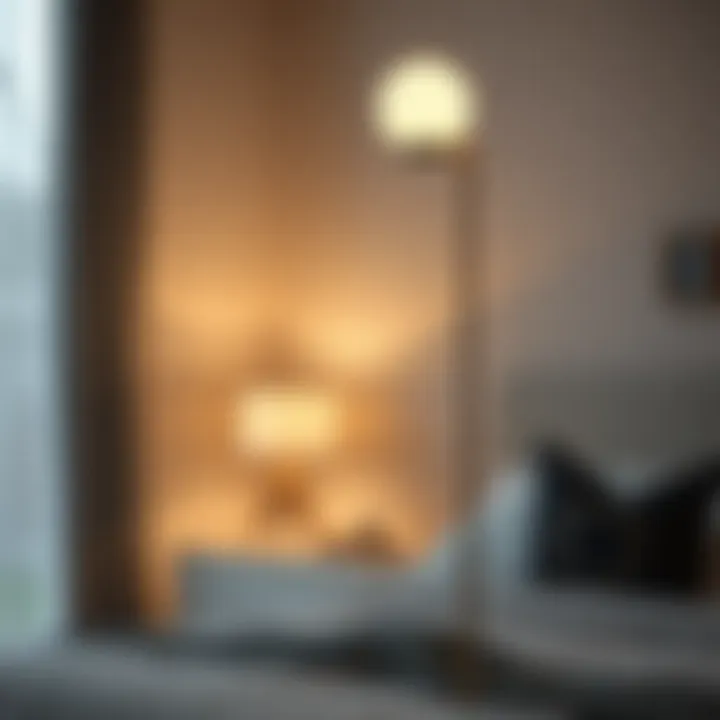
What makes arc and overhead lamps advantageous?
- Dramatic effect: Their presence can become a focal point in your bedroom, drawing the eye and enhancing style.
- Flexible positioning: They can provide light across larger areas, making them perfect for sectional sofas or even coffee tables.
When selecting arc or overhead lamps, keep in mind:
- Room height: Ensure your ceilings can accommodate taller lamps without making the space feel cluttered.
- Stability: Since these lamps can be top-heavy, good design and construction are crucial to avoid tipping incidents.
In summary, choosing the right type of floor lamp is about more than just aesthetics; it’s about practical illumination that enhances everyday activities. Whether it’s the classic charm of traditional lamps, the sleekness of modern designs, the precision of task lighting, or the boldness of arc lamps, each category offers something valuable for your master bedroom.
Choosing the Right Style for Your Space
Selecting the right style for your floor lamp in the master bedroom is like choosing the right frame for a favorite painting. It’s not merely about function; it’s about enhancing the whole aesthetic of the room. Lighting is a fundamental part of interior design, and a floor lamp can significantly influence how the space feels and looks. The lamp should not only serve its purpose but also complement the overall design scheme to create a harmonious environment.
When considering the style of your floor lamp, there are several elements to keep in mind:
- Cohesion with Existing Decor: The lamp’s design should resonate with the furniture and overall decor in the room. For instance, a sleek modern lamp may clash with rustic wooden furniture, while a classically designed lamp can blend seamlessly with traditional styles.
- Functional Versatility: Think about how you'll use the lamp. Will it primarily serve as ambient lighting or as a reading light? A lamp that is both stylish and functional will give you more bang for your buck.
- Color Palette Matching: Pay attention to your room's color scheme. A lamp in a contrasting color can create a focal point, while one that matches the existing colors can enhance the cohesive feel of the space.
"A well-chosen lamp can transform not just the functionality of a room, but its very essence."
Ultimately, making an informed choice involves weighing aesthetic preferences against practical needs. Spending a little time contemplating these aspects can pay off handsomely by elevating your master bedroom into a sanctuary of style and comfort.
Matching with Bedroom Aesthetics
Assessing the aesthetics of your bedroom is not just about eye candy; it’s about creating an immersive space that tells a story. Consider the theme of your master bedroom. Is it minimalistic and modern, or has it embraced a vintage charm? A floor lamp should accentuate that theme.
- Modern Aesthetics: For a modern space, consider lamps with clean lines and geometric shapes. Think about materials like metal or glass that reflect a sleek finish. For example: A tripod floor lamp with a muted color could sit beautifully in a contemporary setting.
- Vintage Appeal: Alternatively, vintage themes benefit from ornate designs. A lamp with a stained glass shade can add character and warmth, grounding the room in nostalgia.
Materials and Finishes
Materials and finishes play a critical role in how a lamp integrates into the bedroom environment. The right combination can elevate your lamp from ordinary to extraordinary.
- Metallic Finishes: If your room boasts industrial elements, consider a lamp with a brushed nickel or copper finish. These materials not only add a touch of elegance but also resonate with contemporary styles.
- Natural Materials: For a more eco-friendly feel, natural materials like wood can bring warmth and grounding energy into a room. A wooden base with a simple linen shade can harmonize beautifully with farmhouse or bohemian designs.
When selecting materials, it’s essential to think about durability and maintenance as well. For instance, acrylic lamps can provide a lighter feel and are easy to clean, while heavier materials might lend a more grounded and classic look.
Ensuring that your floor lamp’s style, aesthetics, and material align with your overall design strategy creates a dimensional and welcoming environment within your master bedroom.
Placement Strategies
Choosing the right placement for your floor lamp is not just about aesthetics; it's a pivotal step that can significantly influence both functionality and ambiance in your master bedroom. The ideal placement can transform a room, creating cozy corners and enhancing the overall vibe. Thoughtful placement relies on various factors, including furniture layout, existing light sources, and the room's intended activities. Let's explore how to optimize those corner spaces and important spots for your floor lamp, ensuring it serves its purpose while elevating your bedroom design.
Ideal Locations for Floor Lamps
Finding the best spots for your floor lamp can be a game changer. Here are some key locations to consider:
- Next to the Bed: A common but effective choice is placing a floor lamp beside your bed. This provides a direct source of light for bedtime reading or late-night activities without disturbing your partner.
- In a Cozy Nook: If your room has a reading corner or a small nook, a floor lamp can illuminate this space beautifully. It creates a warm atmosphere, encouraging you to unwind with a good book or enjoy a quiet moment.
- Near a Chair: A tall floor lamp can enhance a lounge chair's comfort in your master bedroom. It can be perfect for sipping morning coffee or enjoying leisurely afternoons.
- Opposite a Window: Positioning a floor lamp across from a window can help counterbalance sunlight during the day and create a beautiful layered light effect in the evening.
- In the Corner: In many cases, a lamp tucked into a corner right next to a potted plant can create an inviting warm glow without crowding your space or blocking pathways.
When considering placement, think about the lamp's height and reach. A lamp should not obstruct your view or flow through the room but instead enhance the spatial layout.
Creating Layers of Light
The concept of layering light is crucial in achieving a harmonious ambiance. A single source of lighting can make a room feel harsh and lacking depth. By placing multiple light sources at different levels, you create a more inviting environment.
- Combine Different Types: Utilize various lighting types: floor lamps, table lamps, and overhead fixtures. Each lamp can serve distinct purposes, from providing task lighting to ambient brightness.
- Use Dimmer Switches: Adding dimmer switches allows you to adjust the light intensity according to your needs, be it a bright light for cleaning or a subtle glow for relaxation.
- Accent Lighting: Use your floor lamp to highlight art pieces or architectural details in your bedroom. This can draw the eye and contribute to the room's character.
- Consider Lampshade Choices: The material and color of the lampshade significantly impacts how light disperses in a room. A light-colored shade will radiate more light, while a darker shade can create a more subdued atmosphere.
Think of lighting like a gradient—varying intensities create depth, whimsy, and warmth.
Innovative Design Trends
In recent years, the landscape of lighting design has evolved dramatically, driven by the need for both functionality and aesthetics. The importance of innovative design trends lies in their ability to intersect modern technology with elegant visuals, making floor lamps not just a source of light but also an integral part of the interior décor. Floor lamps now hold the potential to transform a room and adapt to its unique character, breathing new life into your master bedroom.
Sustainable Lighting Options
The conversation around sustainable living has permeated various sectors, and lighting design is no exception. Sustainable lighting options encompass a variety of practices designed to minimize environmental impact without sacrificing style or performance. Here are a few key elements that are making waves in this area:


- Energy-efficient technologies: Many modern floor lamps utilize LED bulbs, which consume significantly less power compared to traditional incandescent bulbs. These LEDs not only last longer—often up to 25,000 hours—but also emit less heat, meaning they are surprisingly cool to the touch.
- Material choice: Recycled or sustainably sourced materials are becoming a common choice among designers. Brands are increasingly leaning towards wood from responsibly managed forests and metals that require less energy to produce.
- Eco-friendly manufacturing processes: The push for sustainability also extends to how lamps are made. Manufacturers are adopting more eco-friendly practices in production that reduce harmful waste, ensuring the longevity of their products and a lesser ecological footprint.
Embracing these sustainable lighting solutions not only enhances the aesthetics of your space but also reflects a modern ethos of responsibility towards our planet.
Smart Floor Lamps and Technology Integration
As homes grow smarter, so too does their lighting. Smart floor lamps have arrived on the scene, blending convenience with contemporary design. The integration of technology in floor lamps is aimed at enhancing usability and flexibility. Here’s what you should know:
- Remote control and automation: Many smart floor lamps offer control through smartphones or voice-activated devices like Amazon Alexa or Google Assistant. This means you can adjust brightness levels or switch them on and off without ever leaving the comfort of your bed.
- Customization: Features like adjustable color temperature and intensity allow for a more tailored lighting experience, catering to various moods or activities, from reading a book to winding down in the evening.
- Sustainability through tech: The synergy between smart technology and energy-saving features results in a more efficient lighting system. For instance, some lamps can detect when a room is unoccupied and automatically turn off, helping conserve energy.
In essence, the trend toward smart floor lamps not only enhances user experience but also contributes to an energy-efficient home environment. This integration of technology allows homeowners to manage their space more effectively, making it an attractive option for those looking to marry form with function.
"The future of lighting design not only shapes aesthetics but also our interaction with spaces, showcasing the critical role of innovative technology in everyday life."
By staying attuned to these innovative trends in floor lamp design, homeowners can create spaces that reflect their unique style while ensuring sustainability and ease of use.
Energy Efficiency Considerations
When it comes to illuminating your master bedroom, energy efficiency isn’t just a buzzword; it's a critical aspect that affects both the environment and your wallet. Understanding energy efficiency in the context of floor lamps can fundamentally transform your lighting choices. Choosing energy-efficient options leads to lower electricity bills, a reduced carbon footprint, and longer-lasting bulbs. Homeowners, designers, and DIY enthusiasts should pay close attention to this topic, as it can significantly improve the functionality and sustainability of their living spaces.
LED vs. Traditional Bulbs
LED bulbs have become increasingly popular in recent years, and for good reason. Unlike traditional incandescent bulbs, which convert a large portion of energy into heat, LEDs convert most of the electrical energy into light. As a result, they consume up to 80% less energy than their incandescent counterparts. Here's a couple of compelling points to consider:
- Longevity: An LED bulb can last anywhere from 15,000 to 50,000 hours, compared to about 1,000 hours for an incandescent bulb. Replacing bulbs less frequently not only saves money but also minimizes waste.
- Heat Emission: Since LEDs emit significantly less heat, they contribute to greater safety and comfort in your master bedroom. Lesser heat means your cooling system doesn’t have to work as hard, which can also lead to further energy savings.
However, it’s worth noting that the initial cost of LED bulbs can be higher than traditional bulbs. But when you look at the bigger picture—reduced energy bills, increased longevity—the investment pays off handsomely over time.
Smart Bulbs and Control Systems
The advent of smart technology has paved the way for innovative solutions that enhance energy efficiency in lighting. Smart bulbs allow for control over lighting settings, enabling homeowners to tailor their brightness levels according to their needs and moods throughout the day. This type of flexibility not only improves your experience in the master bedroom, but also conserves energy.
Some key features of smart bulbs and systems include:
- Remote Control: You can manage your lighting from anywhere using a smartphone or smart speaker. This convenience can prevent you from leaving lights on when not in use.
- Scheduling Options: You can set timers, allowing lights to turn off automatically at night or when you’re not home, further saving energy.
- Mood Setting: Many smart bulbs offer adjustable color temperatures and brightness levels. Dim lights for a calming atmosphere in the evening, and bright lights during the day for better focus—tailoring your lighting can optimize energy usage.
In essence, integrating energy-efficient technologies in your master bedroom undoubtedly leads to a more sustainable, economical, and aesthetically pleasing environment. As you ponder your choices for floor lamps, remember that making informed decisions can have substantial long-term benefits.
Maintenance and Care
Taking care of your floor lamp is crucial not just for its longevity but also for ensuring it continues to function effectively and enhances your bedroom ambiance. When you’ve chosen that perfect lamp, it’s easy to get caught up in its appeal while overlooking the necessary upkeep. Just like a well-maintained garden thrives, a floor lamp benefits significantly from regular attention. So, what should homeowners keep in mind?
Cleaning Techniques for Floor Lamps
Keeping your floor lamp clean is essential to maintain its aesthetic appeal and functionality. Dust and grime can accumulate, dulling the surface and reducing light output. Different styles of lamps may require distinct cleaning methods, but here are some general tips:
- Dust regularly: Use a soft, dry microfiber cloth to wipe down the lampshade, base, and any decorative elements. Don’t let dust settle like a stubborn tenant.
- Deep cleaning: For a thorough cleanse, dampen a cloth with a mix of mild dish soap and water. Ensure you dry it well afterward to avoid water spots.
- Consider the materials: For metal bases, a little furniture polish can work wonders, while fabric shades might need a gentle vacuum or a specific fabric cleaner.
- Avoid harsh chemicals: They might strip off the finish or even damage the materials. Always test in an inconspicuous area first.
Bulb Replacement and Upkeep
Replacing bulbs isn’t just about keeping the light on; it’s also about ensuring your lamp operates at its best. Keeping an eye on bulb functionality can save you from sudden darkness during your favorite late-night reading sessions.
- Check regularly: Whenever you notice flickering or dimming, it’s time to check the bulb. Being proactive can keep your evenings illuminated.
- Choose the right bulb: Depending on your lamp’s specifications, always opt for bulbs that fit size and style. Some floor lamps work best with LED options, while others might look stunning with vintage-style incandescent bulbs.
- Turn off the lamp: Always switch off your lamp before replacing any bulbs. This ensures safety and can prevent any electrical mishaps.
- Follow guidelines for disposal: If you’re using LED or compact fluorescent bulbs, find out how to dispose of these properly. These aren't your ordinary bulbs and they need to be handled with care.
"Regular maintenance ensures that your floor lamp remains a beautiful and functional part of your decor."
In summary, caring for your floor lamp not only prolongs its life but also ensures it serves its purpose well in your master bedroom. With a little attention to cleaning and bulbs, your space can maintain its desired atmosphere while showcasing your style.
Finale
In drawing this comprehensive guide to a close, it's imperative to underscore the nuanced role that floor lamps play in master bedroom design. Selecting the right floor lamp isn't merely a functional choice; it's a decision that melds aesthetics, mood, and energy efficiency into a single, harmonious element of your space.
When considering a floor lamp, we must contemplate how it integrates with the overall bedroom theme. The style and caliber of light it emits can dramatically affect the atmosphere, shaping how a room feels and functions. An inviting light can beckon you to unwind after a long day, while a stark glow might energize your mornings, reflecting the duality needed for a space dedicated both to rest and rejuvenation.
Additionally, the importance of versatile placements cannot be overstated. Thoughtful positioning of your lamp can enhance the room's structure, creating layers of light that soften harsh corners and highlight favorable features such as artwork or architectural details. As is often said, "the devil is in the details," and in the world of lighting, this rings especially true.
Final Thoughts on Selecting a Floor Lamp
As you embark on choosing a floor lamp for your master bedroom, remember that it should reflect your personal taste and lifestyle. Consider these factors:
- Functionality: Is the lamp primarily for illumination while reading, or a source of ambient light?
- Style: Does it match the existing décor or stand out as a statement piece?
- Sustainability: Are you opting for energy-efficient bulbs or smart technology to modernize your choices?
Reflecting on these particulars will allow you to appreciate how a well-chosen lamp can not only enhance your bedroom’s aesthetic appeal but also augment its livability. Each lighting choice plays a vital role in crafting a retreat that genuinely feels like home, making the process one not just of selection, but of thoughtful curation.