
Enhancing Shelves with Curtains for Stylish Interiors
Intro
In modern home design, the art of enhancing aesthetics without compromising functionality has become paramount. One captivating method to transform ordinary shelving into a stunning focal point involves the clever use of curtains. This approach not only serves practical purposes—like concealing clutter and enhancing organization—but also allows for a splash of color, texture, and style in any room. Curtains can add warmth, charm, and a dash of elegance, making them more than just a decorative accent. Through this article, we aim to explore how different types of curtains can significantly uplift the visual appeal of shelving, considering current furniture design trends and providing practical insights to guide your choices.
Furniture Design Trends
Current Styles and Aesthetics
As we look at contemporary designs, the integration of curtains into shelves meets various aesthetic preferences. Whether you're tilting towards minimalist, bohemian, rustic, or even mid-century modern styles, curtains can adapt, bringing the desired atmosphere without overwhelming the existing décor.
In minimalist settings, sheer curtains can soften hard lines, providing an airy feel while keeping functionality intact. Alternatively, heavier fabrics in rich hues can accentuate a classic or vintage look. The beauty lies in the versatility they offer; a simple change of fabric can reinvigorate the vibe of a space.
For instance, consider a cozy family room adorned with floating shelves. Employing light-colored linen curtains allows natural light to filter through, crafting an inviting sensation. In contrast, bold velvet drapes can transform the same space into a luxe setting for more opulent decor.
Color Palettes and Materials
When selecting curtains for shelves, color holds profound significance. It’s not just about picking a hue that looks good; it’s about complementing the overall theme of the room. Earthy tones like terracotta or sage can amplify a natural theme, while vibrant colors might inject life into otherwise neutral spaces.
The material also plays a crucial role in determining the look and feel you want to achieve. Here’s a breakdown of commonly used materials:
- Linen: Offers a light, casual vibe.
- Cotton: Durable and versatile, suitable for most styles.
- Velvet: Adds luxury and depth to any display.
- Sheer Fabrics: Ideal for a breezy look, perfect for lighter items.
Choosing the right combination of color and material can weave a consistent narrative throughout your space, making everything feel intentional rather than thrown together.
Buying Guides
Essential Considerations When Purchasing
As you wade through options, there are key factors to keep in mind. Think about the functionality you want these curtains to serve: Are they purely decorative, or will they also protect the items on your shelves from dust? Also, consider the dimensions of your shelves; you’ll want curtains that not only fit well but enhance the overall flow of the room.
It’s prudent to think about installation as well. Some curtains might require more intricate fittings than others. Check if the curtains come with the necessary hardware or if additional purchases will be necessary.
Top Recommendations for Different Budgets
When it comes to sourcing curtains, there’s a vast range of options available, catering to myriad budgets:
- Budget-Friendly: Stores like IKEA offer a variety of stylish options at reasonable prices.
- Mid-Range: Target and HomeGoods often have well-made curtains that don’t break the bank.
- Premium Choices: For those looking to splurge, brands like Anthropologie or Pottery Barn provide unique, high-quality pieces that can serve as statement décor.
Choosing the right curtains to enhance shelf aesthetics can be a rewarding endeavor, turning your space into a reflection of your style and taste. With thoughtfulness in selection, you’ll not only enhance functionality but craft an inviting environment.
"Curtains are not just a practical necessity in home design; they embody the essence of elegance and individuality."
For more tips on home decoration methods, you can visit architecture.com or designseason.com.
And remember, whether you’re a homeowner, a design enthusiast, or someone taking the DIY route, curtains can help create a distinctive atmosphere and elevate the everyday into the extraordinary.
Preface to Shelving Solutions
In the realm of interior design, shelves play a pivotal role, serving not just as functional storage units but also as fundamental elements that shape the character of a space. When approached thoughtfully, shelving solutions can elevate the overall aesthetic appeal of a room while meeting various practical needs. This exploration into the world of shelving highlights two primary considerations: how these structures impact both organization and decoration.
Understanding the Functionality of Shelves
Shelves provide a platform for us to display our belongings. They are a natural fit for holding books, décor, and even kitchen essentials. The sheer variety of shelving styles allows homeowners and designers to tailor their storage solutions based on personal taste and space requirements. For instance, open shelving in kitchens promotes accessibility and creates a casual ambiance, while closed cabinets lend an air of sophistication and simplicity.
However, aesthetic appeal and functionality do not always line up neatly. With the right approach, one can marry the two seamlessly. Consider shelves that appear orderly yet whimsical, displaying a balanced mix of essential items and eye-catching decor pieces.
"Finding the perfect balance between practicality and visual flair can transform a mundane shelf into a stunning focal point."
The Design Dilemma: Concealing vs. Displaying
Homeowners often grapple with the choice of concealment versus display. Open shelving invites creativity and encourages personalization, but it can also lead to cluttered, chaotic visuals if not managed properly. On the flip side, closed shelving offers a blank canvas, keeping items hidden from view. The choice largely hinges on individual preferences and lifestyle needs.
For instance, a young family with children may lean toward robust, covered shelving to minimize mess and enhance safety, while a single professional may prefer decorative open shelves to showcase personal achievements and travel souvenirs. This dilemma can influence decisions not only about shelving types but also about complementary design elements, such as utilizing curtains to integrate and unify the shelving experience.
In the subsequent sections, we will delve deeper into how curtains can transform the appearance and functionality of shelves, providing a unique solution to these design challenges. By understanding how to enhance your shelving aesthetics, you gain the power to infuse your personal style into your space while also creating an environment that meets your organizational needs.
The Rationale Behind Covering Shelves with Curtains
Covering shelves with curtains may seem like a quaint idea, but it carries more significance than one might first assume. The reasoning behind this approach combines functionality with a flair for aesthetics, delivering benefits that resonate with both practical needs and visual appeal. As modern design leans toward multi-functional and adaptable spaces, introducing curtains into shelf design becomes not just an option but a meaningful addition that can reshape the experience of a room.

Aesthetics and Visual Harmony
When considering the aesthetics of a space, how one chooses to display or conceal belongings can profoundly impact the overall ambiance. Curtains can act as a bridge between various design elements, unifying colors, textures, and patterns throughout a room. This is especially true in eclectic environments where mismatched items might otherwise clash. A well-chosen curtain fabric can soften sharp lines or cooler colors, introducing warmth and harmony without needing to overhaul existing decor.
To highlight how curtains blend with aesthetics, think about a dining room outfitted with dark wood shelves laden with china. If those shelves are left bare, they can lend an overly stark look. However, hanging soft, earthy-toned curtains in front of them can offer a cozy retreat. This provides not just a protective layer for your cherished items but an eye-catching statement that weaves seamlessly into the room's overall style.
- Choosing the right fabric can enhance the look. For instance, a sheer material will provide an airy feel, while heavier fabrics create a more luxurious, contained atmosphere.
- Patterns can also play a role—florals or bold geometric designs can introduce depth to the wall, drawing the eye to your shelves rather than away from them.
Also, pulling the curtains open or closed creates dynamic movement, shifting the ambiance as light flows in or is muted. With this adaptability, your shelving not only takes center stage, but it morphs to fit the moment, allowing for a living space that feels fluid.
Creating a Cohesive Look
A cohesive look is all about organization. Using curtains gives a purpose to your shelves beyond mere storage; it creates structure in what can easily become a chaotic setup. We often have a myriad of items vying for attention on our shelves. By covering them, we remove distractions and provide a simplified backdrop which allows only key pieces to shine through.
Consider how fabric can define areas within your space. By utilizing similar curtain styles across different shelves or rooms, you can establish visual continuity that guides the eyes from one sector to another. Here are a few tips on how to achieve this:
- Select a unifying fabric: Using the same material throughout the home can create an essential thread that ties everything together.
- Employ consistent colors: Colors that match or complement each other will ensure that while items on the shelves may differ, their backdrop remains consistent, creating an organized visual narrative.
- Layering techniques: Have different lengths or types of curtains across shelves. Layering organza with a heavier fabric can add depth without overcrowding the visual.
Ultimately, curtains not only enhance the shelving aesthetics but do so in a way that highlights your distinctive taste. With careful selection and creative installation, they can transform a simple ideas into masterpiece of interior design, showcasing what really matters while effortlessly tying your space together.
Types of Curtains Suitable for Shelves
Choosing the right curtain for your shelves is more than just an aesthetic decision; it influences the overall ambiance and functionality of your space. The type of curtains you select can enhance visual appeal while also serving practical purposes such as dust protection and storage concealment. Various materials cater to different design preferences, making it essential to consider what aligns with your vision. Below, we dissect suitable types of curtains for shelving, starting with popular fabric choices.
Fabric Curtains: A Soft Touch
Choosing the Right Fabric
When considering fabric curtains, the choice of material is paramount to the effect it creates. Opting for versatile fabrics like cotton or polyester can add a softer allure to your shelves. Such fabrics not only drape nicely but also allow for a bit of light filtering, adding warmth to the room. Think about textures—smooth surfaces can create a sleek look while rough textures add a rustic feel, enhancing your overall décor.
- Lightweight Fabrics: Great for easy opening and closing.
- Thicker Materials: Offer more privacy and possibly light blockage.
Each fabric can drastically alter your space, making it essential to choose one that resonates with your home’s character. While cotton and polyester are easy to clean and maintain, they may not provide the same grand feel as heavier materials might, like velvet.
"The fabric you choose could be the difference between a casual look and an elegant design."
Canvas vs. Linen
When diving deeper into fabric options, canvas and linen emerge as distinct players. Canvas is known for its durability and casual charm, making it an ideal candidate for family areas or playrooms.
- Canvas: Sturdy and washable, offers resistance from wear and tear.
On the other hand, linen is often revered for its more refined aesthetic. Its natural textures and breathable qualities give it a sophisticated edge that elevates the overall design.
- Linen: Lightweight and airy, provides a high-end touch to your shelving solution.
Choosing between these two materials boils down to personal preference—canvas is resilient while linen lends a plush feel to the room, so weighing their benefits before proceeding can save you from future headaches.
Bamboo and Natural Material Options
Bamboo curtains are emerging as a trendy choice that marries sustainability with style. Their unique construction leads to a light filtering effect, creating a serene atmosphere in any room. Furthermore, they reflect a natural aesthetic, aligning well with eco-friendly or minimalist designs.
Natural materials not only provide a fresh look but also reduce your ecological footprint. Consider blends or combinations with fabrics for a striking aesthetic, enhancing the visual impact while supporting your environmental concerns. A thoughtful choice in this realm showcases a design that resonates with current sustainability trends.
Vinyl and Waterproof Alternatives
For those who prioritize practicality alongside aesthetics, vinyl curtains present a pragmatic solution. Waterproof and highly durable, they effortlessly withstand spills or splashes, making them suitable for kitchens or bathrooms. Unlike fabric, they require minimal maintenance, which is a big plus for busy households.
- Waterproof effectiveness: Perfect for spaces prone to moisture.
However, it's worth considering that while vinyl is easy to clean, it may not provide the warmth or elegance of fabric options. Therefore, assessing the context in which you'll use these curtains is crucial to ensure they serve their intended purpose without compromising your design vision.
How to Select the Right Curtains for Your Space
Selecting curtains for your shelves is not just about covering them up; it’s a chance to make a statement in your home. The right curtains can elevate your shelving aesthetics dramatically, blending functionality with flair. This section outlines key elements to consider in making the best choice when it comes to curtain selection, ensuring that they complement your existing decor, offer practicality, and adapt seamlessly to your space.
Considerations for Room Style
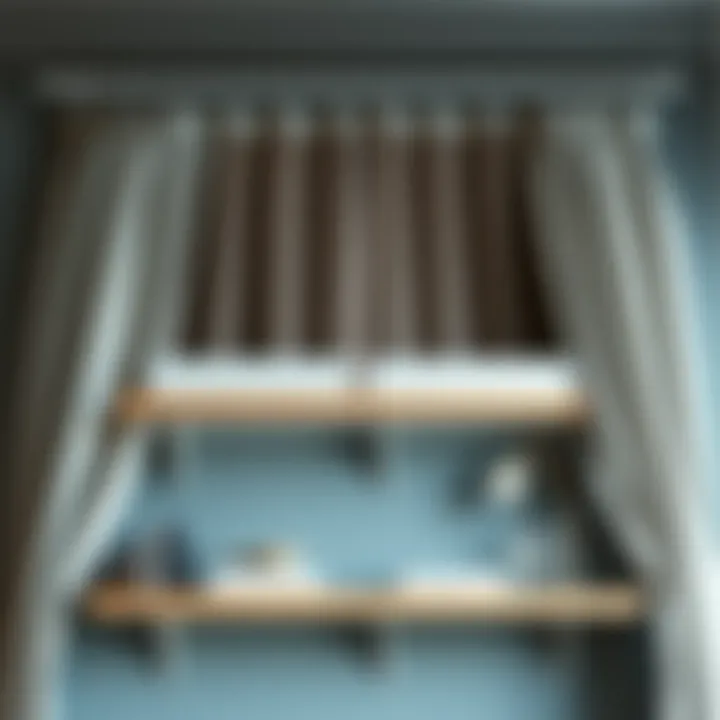
When choosing curtains, the first thing to ponder is the overall style of the room. Is it contemporary, rustic, or perhaps a blend of different styles? Each design language has its nuances. For instance, if your space is modern, opt for clean lines and minimalistic curtains that scream sophistication without being cluttered. Conversely, if your room has a more traditional feel, curtains with intricate patterns or rich fabrics can add warmth and coziness.
Think about how the curtains can harmonize with other elements in the room. You wouldn't want Roman shades in a farmhouse kitchen, nor sheer drapes in a polished urban loft. Take a moment to consider:
- Texture: Smooth fabrics can be elegant, while textured materials might add depth to the design.
- Length and Fill: Do you want them to brush the floor, or is a shorter style preferable? Full-length can create an illusion of height.
Color Palette and Patterns
After figuring out the room style, the next step is addressing color schemes and patterns. The color of your curtains should not only embrace the palette of your room but also enhance it. Neutral colors provide a calming effect and can be a wise choice if your room contains various decor elements. On the other hand, bold colors could serve as a focal point, drawing the eye to certain areas of your home.
Considerations should include:
- Matching or Contrasting: Will the curtains blend with your shelves, or do you prefer a contrast that adds vibrancy?
- Patterns: Floral or geometric patterns might fit best depending on the theme; think about mixing them with other textiles in the space.
While it’s essential to follow trends, it’s even more important that your choice feels right to you. Following your gut is often the best course of action.
Practicality and Ease of Use
Curtains not only serve an aesthetic purpose but must also fulfill practical functions. Think about how often you need to access the items behind the curtains. If your shelves are for display, lighter, more delicate fabrics may work well because they can be drawn back easily. On the contrary, if your shelves are meant for storage, consider heavier materials that can withstand the wear and tear of daily use.
Here are some practicalities to keep in mind:
- Weight of the Curtain: Heavier curtains may require stronger rods and fixtures.
- Cleaning and Maintenance: Know your materials and how to keep them looking fresh. Some fabrics may need dry cleaning while others might be machine washable.
In essence, blending style with practicality ensures that your choice is not only beautiful but functional, creating a perfect harmony in your home.
"The art of curtain selection lies in achieving a balance between design and functionality, tailored to fit your personality and needs."
By considering these key elements, you’ll be better equipped to choose curtains that truly enhance the shelves and overall room aesthetics.
Installation Techniques for Curtain-Integrated Shelves
Installing curtains on shelves isn't merely about aesthetics; it's a practical endeavor that combines functionality with style. Taking the time to understand and implement the correct installation techniques can greatly enhance the overall appearance of your space and extend the life of your curtains. A well-installed curtain not only conceals your belongings effectively but also elevates the design scheme of the room.
Choosing the Right Rods and Fixtures
Getting this part right is crucial. The rods serve as the backbone for your curtains, so selecting durable and aesthetically pleasing materials is essential. Here are a few factors to consider:
- Material: Metal rods are often more durable compared to wooden ones, especially for heavier fabrics. However, wooden rods can add a warm, rustic feel if that’s what your decor requires.
- Diameter: Make sure the diameter of the rod is appropriate for the curtain weight. Thinner rods may bend or bow, altering the curtain shape.
- Brackets: Choose sturdy brackets that can securely hold the rod in place. Wall-mounted brackets offer more strength, while ceiling-mounted options can create a seamless look.
- Style: Consider decorative finials that can match or contrast with your room’s theme, adding an extra touch of personality.
Measuring and Cutting the Curtains
To ensure your curtains enhance the shelving and look proportionate, correct measurements are a must. Sending the wrong dimensions can lead to a frustrating experience down the line. Here’s a brief manual on how to get it right:
- Measure the Width: Measure the width of the shelf where the curtains will hang. For a gathered look, multiply this figure by 1.5 to 2, depending on how full you want the curtains to appear.
- Determine the Length: Measure from the top of your rod to where you want the curtains to fall. It’s common for curtains to end just above the shelf, however, a bit longer can give a more dramatic flair.
- Cutting: If fabric is involved, use fabric scissors for a clean cut. Seal the edges by sewing or using fabric glue to prevent fraying.
- Hemming: If the fabric is too long, iron the hem to achieve the desired length and consistency.
Step-by-Step Installation Process
The install process should be methodical to avoid any unnecessary headaches. Follow these steps for a smooth experience:
- Prepare the Wall or Ceiling: Make sure the area is clear of dust and debris. Consider using a stud finder to locate where to mount your brackets securely.
- Mark Your Drill Points: Hold the rod (with brackets) against the surface, marking where the screws will go. It’s wise to double-check your measurements at this stage to ensure accuracy.
- Drill Pilot Holes: Use a drill bit slightly smaller than your screws to create pilot holes. This helps prevent the wall from cracking.
- Install the Brackets: Securely attach the brackets by screwing them into the pilot holes. Ensure they are level and sturdy before proceeding.
- Hang the Rod: Place the rod within the mounted brackets before adding any curtains to confirm the fit is satisfactory.
- Add the Curtains: Lastly, slide your curtains onto the rod. Take a step back and assess the look. Adjust as necessary to achieve a balanced appearance.
When you master the art of installation, curtains can significantly elevate the design dynamics of your space.
Effective installation means care in every step, making your curtains and shelves sing in harmony.
For further tips and suggestions, visit Wikipedia or check check out DIY forums on Reddit.
By following these steps, you ensure that your curtains not only function well but also contribute to a lovely aesthetic throughout your home. The result will be an inviting space that feels both organized and visually pleasing.
Maintenance and Care for Curtain-Covered Shelves
Caring for curtain-covered shelves is not just about keeping them looking nice; it’s about ensuring that the shelves maintain their functionality and aesthetics over time. Curtains serve not only as decorative elements but as protectors of your items stored on the shelves. When well-maintained, they can add warmth and character to any space, while also providing practical benefits, such as dust protection.
Importance of Regular Maintenance
Just like any other decor element in your home, curtains require some tender loving care. Ignoring their upkeep can lead to a range of issues, from fading colors to fabric deterioration. Additionally, improperly maintained curtains can become a breeding ground for dust and allergens, impacting the air quality in your home. For homeowners and DIY enthusiasts alike, understanding how to properly care for curtain-covered shelves will ensure these aesthetics continue to serve their purpose for years to come.
Cleaning Guidelines for Different Fabrics
When it comes to cleaning curtains, knowledge is power. Different fabrics need different treatment. Here’s a quick rundown:
- Cotton: Easy to care for, cotton curtains can typically go in the washing machine. Use cold water and delicate settings, then hang to dry to prevent shrinking.
- Linen: Prone to wrinkles, linen requires a gentler touch. Hand wash or machine wash on the delicate cycle, and iron while slightly damp for best results.
- Velvet: Stylish and luxe, velvet is best cleaned by a professional or with a vacuum. If stained, use a damp cloth and blot—never rub.
- Sheer fabric: These delicate materials need special care. Hand wash them gently in cold water and hang or lay flat to dry to keep the transparency undisturbed.
Regularly check for any stains or spots, as addressing these early on can save you some headaches later. Also, every so often, it’s wise to remove the curtains entirely for a deeper clean.
Preventing Dust and Mildew Buildup
Keeping your curtains dust-free and reducing the risk of mildew is crucial for health and appearance. Here are a few pointers:
- Vacuum Regularly: Use the upholstery attachment of your vacuum to wipe off dust accumulation periodically.
- Air Circulation: Make sure to use your shelves’ contents regularly to encourage airflow, which can help prevent mildew.
- Humidity Control: Bathrooms and kitchens are notorious for moisture, so consider using a dehumidifier or fan in these areas to keep dampness at bay.
- Curtain Liners: For added protection, consider curtain liners that can easily be removed and washed, preventing direct exposure to dust and moisture.
"A stitch in time saves nine"—taking care of your curtain-covered shelves now will lead you to avoiding major issues in the future.
By employing these maintenance techniques, you can preserve not just the aesthetic of your shelves but also the durability of the curtains themselves. This care ensures your shelves remain a beautiful and functional part of your home design.
Creative Ways to Use Curtains in Home Design
In the realm of interior design, curtains often serve as more than just functional window treatments. They can be pivotal in creating a cohesive look throughout a space, especially when integrated creatively with shelves. This section delves into how curtains can enhance various rooms and explore unique applications beyond traditional shelving. The beauty of incorporating curtains lies in their versatility; they can soften hard lines, add colors, and even serve practical purposes. Let’s explore several creative ways curtains can transform home design.
Incorporating Curtains in Various Rooms
Living Room
The living room is where people gather to unwind and engage in conversation, making it a vital part of any home. By draping curtains over shelves in this space, you can create an inviting atmosphere that feels cozy and curated. One key characteristic of the living room is its potential for expression; it often reflects the homeowner's style and personality.
Adding curtains can play a significant role in defining this space. Opting for lightweight, sheer fabrics can allow light to filter through while still adding a layer of softness. Another benefit is the ease of updating your living room's look. With a simple switch of fabric or color, you can refresh the overall design without the need for a complete overhaul.
However, a unique feature to consider is the potential for dust accumulation behind the curtains if not kept open regularly. This aspect requires some thought for maintenance, but with a little planning, it could become a stylish statement.
Bedroom
The bedroom often acts as a sanctuary, where comfort and relaxation take priority. Utilizing curtains to enclose shelves can enhance the serenity of the space. This practical approach not only works to hide clutter but also helps in creating a sense of intimacy.
A significant aspect of bedroom design is how well it promotes restful sleep. Choosing curtains in calming colors or soft fabrics can contribute to the tranquil atmosphere many seek in this area. A unique advantage is the ability to coordinate curtains with bedding, reinforcing a coherent visual theme. On the downside, heavy curtains can sometimes feel oppressive if not selected carefully.
In this context, you might weigh the benefit of light-blocking options against the need for brightness during daylight hours, finding a balance that suits your lifestyle.
Kitchen
Often considered the heart of the home, the kitchen requires a balance between functionality and design. Curtains in the kitchen can be utilized to cover open shelves, thus minimizing the visual chaos of dishes, spices, or less aesthetically pleasing items. The unique feature here is that curtains can also be treated for moisture resistance, allowing them to withstand the often humid environment of a kitchen.
One characteristic that makes incorporating curtains in the kitchen appealing is the ability to easily change the ambiance during meals and gatherings. Bright, fun patterns can create an energetic vibe, making cooking and entertaining a more joyful experience. However, it’s crucial to choose fabrics that are easily washable to maintain cleanliness and durability in such an active space.
Unique Applications Beyond Shelves
Curtains offer a wealth of possibilities beyond their application on shelves. They can delineate spaces in an open-concept home, providing visual breaks without the permanence of walls. Further applications could include creating an artistic display, framing a view, or even acting as a backdrop for plants or artwork. With creative thinking, curtains can transcend traditional uses and contribute significantly to the overall aesthetics of a home.
Curtains, while initially seeming simple, hold the power to transform a space dramatically through thoughtful application and design. They echo the rhythm of life within a home, adapting to function alongside the needs and tastes of its inhabitants.
Closure: The Versatility of Curtains in Interior Design
In this exploration of how curtains can transform shelving spaces, it's evident that the versatility of these fabric accents extends far beyond mere aesthetics. Curtains serve as a dynamic tool that can enhance not only the visual appeal but also the functionality of various interior settings. They allow individuals to express their personal style while also catering to practical needs, making them an essential element in modern home design.
Final Thoughts on Style and Function
When it comes to the interplay of style and function, curtains offer a unique solution to the age-old dilemma of maintaining both beauty and practicality in a home. By providing a method to conceal cluttered shelves or display carefully curated collections, curtains create a harmonious balance in the interior environment.
With the right choice of fabric, color, and pattern, homeowners can uphold the integrity of their design schemes, whether it's a sleek modern vibe or a cozy rustic feel. Opting for flowy drapes made from soft linen can evoke a sense of warmth, while structured panels in bright hues can energize a space.
"Curtains are not just for windows; they are a secret weapon in the arsenal of home design. They can make a style statement that resonates with the occupant's personality."
Encouraging Experimentation with Designs
Exploring the potential of curtains around shelving opens the door for creativity that many may overlook. Homeowners and designers are encouraged to think outside the box when it comes to curtain design. For instance, mixing patterns and textures can result in stunning visual diversity. One might combine a textured burlap with a floral print, creating intrigue while ensuring the look doesn’t become overwhelming.
Additionally, considering unconventional placements of curtains, such as framing furniture or using them as room dividers around shelving configurations, can introduce a layer of depth in spatial arrangements. The key lies in confidence and a willingness to try new ideas; after all, interior design is as much about personal expression as it is about function.
In essence, curtains can be a canvas waiting for your unique brush strokes. By experimenting with the combination of materials, styles, and configurations, one can create a tailored look that not only enhances shelving aesthetics but also elevates the overall interior environment.
For further insights and discussions on home design, a good resource to consider is reddit.com/r/HomeImprovement, where enthusiasts exchange ideas and tips.