Designer Wall Shelving Units: Enhance Your Space
Intro
In the world of interior design, wall shelving units serve not merely as storage solutions but rather as integral pieces that can enhance aesthetics and functionality in ways one might not immediately fathom. This exploration goes beyond just finding a place to put your books or trinkets; it's about creating a visual narrative and setting a mood within your space. With an eye toward contemporary furniture design trends, we will uncover how these designer units can truly revolutionize your living environment.
Gone are the days when shelves were simply functional. Today, there's a wealth of styles, materials, and mounting options available that can cater to diverse tastes and preferences. This article aims to dissect those layers, offering insights that will empower homeowners, designers, and DIY enthusiasts alike to harness the potential of wall shelving.
The journey through this guide will delve into furniture design trends shaping the industry, provide a handy buying guide to streamline your selection process, and furnish you with tips that match your budget and style. Whether you're a minimalistic purist or someone with eclectic tastes, there's a designer shelving unit out there that can speak volumes about your identity and how you perceive your environment. In short, this is about more than mere storage; it’s about creating spaces that tell your story.
Prelims to Designer Wall Shelving Units
When it comes to organizing a home or workspace, the significance of wall shelving units cannot be overstated. These functional objects are not simply about storing knick-knacks or books; they serve as critical components of interior design. Their presence in a room can alter the aesthetic entirely, offering a delicate balance between utility and style. With so many options available, it's essential to explore what makes these pieces of furniture much more than mere storage solutions.
Definition and Purpose
Designer wall shelving units are tailored shelves that are both decorative and practical. Their purpose transcends basic storage; they are designed to enhance interior spaces. These units can range from intricate designs that serve as art pieces to minimalist shelving that seamlessly blends with any decor. The key lies in how these shelves work harmoniously within a room to create functional beauty. Homeowners and designers leverage these units to express personal style while meeting storage needs, making them an integral aspect of modern living environments.
Examples of Purpose:
- Showcasing Personality: Personalized shelving allows individuals to curate and showcase items that reflect their interests.
- Space Optimization: In smaller living areas, wall shelves maximize floor space, providing much-needed storage without taking up precious square footage.
Historical Context
Wall shelving has a rich history, tracing back centuries. Initially, shelves were simple wooden boards used for storage in kitchens or workshops. However, as society evolved, so did ideas about decoration and aesthetic appeal.
- Ancient Uses: In ancient Rome, for example, shelves were often incorporated into architectural designs, providing both a practical storage solution and adding to the artistic elements of homes.
- Evolution of Styles: Fast forward to the 20th century, where the advent of modern design principles saw the introduction of more varied materials and shapes.
Surprising enough, one can find influences from the Bauhaus movement, which emphasized simplicity and functionality. This was a turning point where shelving transitioned from plain wood to contemporary designs that incorporate metals, glass, and even recycled materials.
"Shelving units are not merely furniture; they are an extension of one's identity and an embodiment of style in every structure."
Today, wall shelving units can be found everywhere from cozy homes to chic offices, showing just how integral these units have become in the world of design. Understanding their evolution gives insight into their current design variations, ensuring your choices are informed by both history and personal flair.
The Aesthetic Value of Wall Shelves
The aesthetic appeal of wall shelving units cannot be overstated. They are not just functional pieces; they serve as crucial elements in shaping the overall ambiance of a room. A well-placed shelving unit can enhance the beauty of any space, creating a focal point that draws attention and elevates the decor. Homeowners often overlook the potential of these units to not only organize belongings but also to reflect personal style and taste. Understanding the design options, color schemes, and finishes allows occupants to amplify the character and energy of their living environments.
Design Styles
Modern
Modern wall shelving units embrace clean lines, sleek profiles, and minimal ornamentation, making them a favorite among homeowners looking for a contemporary touch. One distinguishing feature of modern design is the emphasis on functionality without sacrificing style. These units often incorporate materials like acrylic or polished metals, which bring a fresh, airy feel to a space. The benefit of choosing modern shelving is that it can seamlessly integrate into any room while maintaining a sense of sophistication.
However, one must consider the specific context of their room; a modern unit might clash with more traditional elements unless carefully curated. Moreover, maintaining a modern shelf's clean aesthetic can require regular upkeep to avoid dust collecting on bare surfaces.
Minimalist
Minimalist wall shelves take the idea of modern aesthetics a step further by stripping design down to its essence. This style stresses that "less is more," promoting the use of simple shapes and a neutral palette. The beauty of minimalist shelving lies in its ability to make a calming environment, aligning perfectly with the philosophy of reducing clutter both physically and mentally.
Key benefits include versatility and ease of integration into various decor themes. However, while minimalism promotes open space and simplicity, some people might find it too bare or lacking personality. It's crucial to balance minimalism with personal touches in decor.
Industrial
Industrial wall shelving units offer a ruggedly handsome appeal, celebrating their raw materials and unfinished appearance. Typically, they incorporate elements such as exposed metal frames and reclaimed wood, delivering a bold and trendy vibe. The industrial style adds character and an urban edge, making it especially popular in loft-like settings or modern homes looking for a rustic touch.
Although industrial shelving units project a strong aesthetic punch, they may not suit every environment, particularly more refined or traditional spaces. Additionally, the rough-hewn surfaces can require careful styling or maintenance to avoid a cluttered look.
Traditional
Traditional wall shelves often highlight craftsmanship through intricate designs, ornate finishes, and rich wood tones. These units speak to a timeless elegance, inviting comfort and warmth into homes. The key feature here is embellishment: traditional units tend to have decorative brackets or molding that adds detail and interest.
While traditional shelving brings a sense of luxury and nostalgia, it might not always find favor in modern spaces. There’s potential for a visually heavy outcome, making it essential to choose the right pieces that will not overwhelm other elements in a room.
Color and Finish Options
In determining the aesthetic value of wall shelving units, color and finish options play a pivotal role. The right palette can radically shift the ambiance, from earthy tones that create warmth to vibrant hues that inject energy into a space. Popular finishes, such as matte, glossy, or textured, can also impact how light interacts with the shelving. Here’s a summary of factors to consider:
- Choosing Complementary Colors – This involves finding shades that align with existing decor to create a cohesive look.
- Experimenting with Textures – Mixing materials can provide depth and interest, especially in rooms that might otherwise feel flat.
- Utilizing Lighting – The finish's interaction with light can either soften or intensify the visual appeal, affecting the space's overall dynamic.
Practical Benefits of Shelving Units
When one considers the realm of interior design, the practical benefits of shelving units can sometimes be overshadowed by aesthetic trends. However, these versatile structures offer much more than just a place to display trinkets or store books. They serve as essential tools in optimizing the functionality of a space, making them invaluable in modern-day homes.
Space Utilization
Firstly, effective space utilization stands as a cornerstone of home design. With urban living expanding, particularly in smaller apartments, the need for efficient use of space is paramount. Wall shelving units emerge as a viable solution, allowing homeowners to capitalize on often-overlooked vertical space. Unlike traditional furniture, which consumes precious floor area, wall shelves can be installed high above existing furnishings or in awkward corners, transforming unused areas into functional storage solutions.
A key consideration in space utilization is how these units can be tailored to fit unique layouts and dimensions. For example, a narrow shelf can extend along the length of a wall, creating a gallery effect without adding bulk. Moreover, this setup not only leads to better organization but also enhances the room's overall flow, making it feel more open and less cluttered. By integrating shelving units, one essentially reclaims valuable square footage, redefining how the space can be used.
Storage Solutions
Next, we delve into the importance of shelving units as storage solutions. Every individual or family has varying storage needs—from books and family photographs to more everyday items like toys or tools. Designer wall shelving units help meet these needs through a variety of configurations and styles. The different materials and designs available today offer something for every taste and requirement.
For instance, a custom-built shelving unit can create zones for certain categories of objects. A section dedicated to displaying cherished books, another for decorative items, and perhaps even a part designed for everyday essentials. This segmentation not only organizes the space but also elevates its aesthetic appeal.
Additionally, wall shelving can increase a room's storage capacity without drawing attention to itself. For example, sleek, minimalist shelves can blend seamlessly with modern decor, providing functionality while maintaining a clean look. In contrast, rustic wooden shelves might add character to a country-style kitchen without appearing bulky or overbearing.
Display Opportunities
Finally, the role of wall shelving units in offering display opportunities cannot be disregarded. Beyond their functional advantages, these units serve as a canvas for personal expression. They allow homeowners to curate and showcase aspects of their lives that tell a story—family heirlooms, travel souvenirs, or art pieces that ignite joy.
A well-organized shelf can become a conversation starter, inviting guests to engage and appreciate the displayed items. Moreover, these displays can be rotated seasonally, enabling inhabitants to refresh their homes with minimal effort. This adaptability means that one’s selection can evolve alongside changing tastes and interior trends.
"The shelves are not just storage—they're an extension of your identity."
Selecting the Right Wall Shelving Unit
Choosing the right wall shelving unit is essential for both functionality and style. With the multitude of options available, it’s crucial to evaluate your space, material preferences, and personal taste. Selecting a unit that complements your room's existing design while enhancing storage or display capabilities can dramatically transform your environment.
Assessing Your Space
Before making any decisions about shelving, it’s important to look closely at the space where you plan to install it. Measure the wall area to determine how much room you have for shelves. Consider not just the width and height but also the depth of the shelving unit. Too deep a shelf can be awkward, blocking light or making items hard to reach.
Additionally, think about the purpose. Are you looking to store books, display art, or showcase plants? Each function might necessitate different dimensions and configurations. If your room has low ceilings, for example, opting for a wider but shallower unit can create a feeling of openness, drawing the eye horizontally rather than vertically.
Choosing the Right Material
The material of your shelving unit plays a big role in its aesthetics, durability, and even compatibility with your decor. Here’s a closer look at some popular materials:
Wood
Wood brings warmth and a natural feel to any setting. Hardwoods like oak or maple are particularly resilient and lend a sense of tradition, making them a popular choice for many homeowners. One of the key distinguishing traits of wood is its uniqueness; no two pieces are exactly alike due to natural grain patterns. This gives wood shelves a personalized touch.
Advantages:
- Elegant and classic appearance
- Highly durable with proper care
Disadvantages: - Susceptible to moisture and warping if exposed
- Usually requires occasional maintenance, such as polishing or treating
Metal
Metal shelving units are often seen in industrial or modern designs. The strength of metal is unmatched; it supports heavy items quite well without sagging. Stainless steel or powder-coated options offer a sleek look while being resistant to rust.
Advantages:
- Incredible strength and durability
- Often requires less maintenance than wood
Disadvantages: - Can feel cold or impersonal in some settings
- Limited aesthetics compared to wood or glass
Glass
Glass shelves exude elegance and lightness, making them ideal for contemporary and minimalist designs. They create an illusion of space, particularly in smaller rooms where darker materials may seem overwhelming. Tempered glass can be quite strong, which is essential for durability.
Advantages:
- Visually pleasing with a modern touch
- Allows light to pass through, preventing a cramped feel
Disadvantages: - Can be fragile and prone to breaking
- Needs regular cleaning to maintain clarity
Composite
Composite materials, such as MDF (medium-density fiberboard), combine various elements to create a cost-effective choice. Often finished to mimic wood or other materials, they allow for a vast range of colors and styles. This versatility can cater to diverse tastes while being budget-friendly.
Advantages:
- Typically more affordable than solid wood
- Easy to paint or finish in various styles
Disadvantages: - Less durable than solid woods
- Can be heavier and may sag under very heavy loads
Personalizing Your Selection
Once you've assessed your space and considered materials, it's time to personalize your selection. This can involve choosing unique finishes, selecting shelving configurations, and integrating decor that reflects your personality. Whether you prefer a sleek, modern look or a classic, handcrafted vibe, the options are virtually endless.
Add personal touches, such as decorative brackets, themed decor items, or even integrating LED lighting to highlight displayed items. These choices don't just enhance the unit; they weave the shelving seamlessly into the fabric of your home, elevating overall aesthetic value.

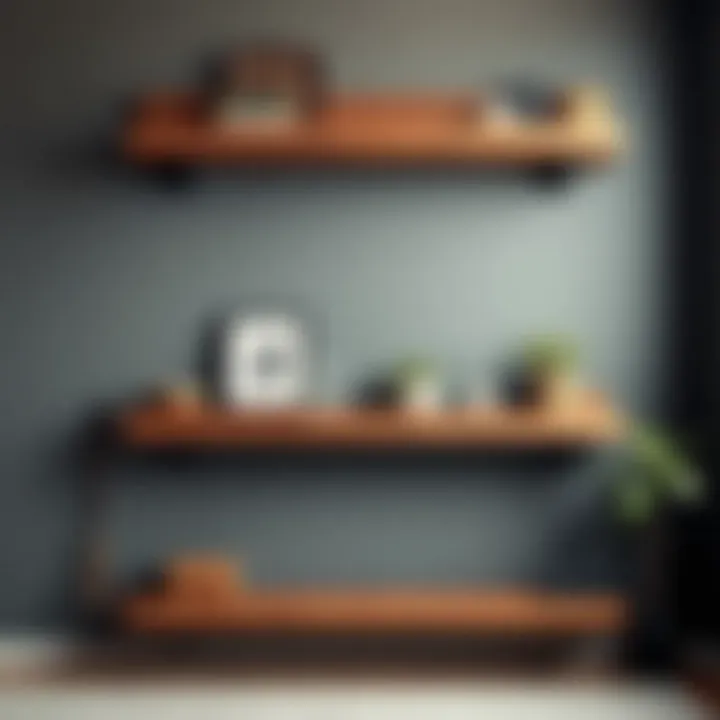
Ultimately, taking the time to select the right shelving unit will lead to a result that is both visually attractive and functionally effective, enhancing your living space for years to come.
Innovative Design Concepts
In the fast-paced world of interior design, innovation is key. The emergence of innovative design concepts in wall shelving has transformed not only how we organize and display our belongings but also how we conceive the overall aesthetic of our living spaces. Designers are stepping beyond traditional frameworks, embracing creativity that reflects personal style while maximizing functionality.
Innovative shelving not only satisfies practical needs but also showcases artistic expression. Homeowners increasingly seek to blend utility with aesthetic appeal without compromising on style or quality.
Modular Shelving Systems
Modular shelving systems have gained popularity for their remarkable versatility. These systems allow for dynamic configurations that can change with one’s needs, making them ideal for both small apartments and expansive homes.
- Adaptability: Modular units can be easily reconfigured to fit various spaces or styles.
- Customization: Users can select components based on their preferences, allowing for a unique and personalized shelving solution.
- Scalability: As needs evolve, new modules can be added, ensuring that the shelving system grows with you.
For instance, a simple modular design can start as a compact bookcase and expand into a comprehensive media center. The ability to interact with a space dynamically creates a living environment that can continually evolve.
Floating Shelves
Floating shelves present another innovative option that marries minimalist design with functional application. The illusion of shelves floating on walls without visible support creates a clean and uncluttered look, making them a sought-after choice for contemporary spaces.
- Visual Effect: They give an illusion of more space, making a room look larger, and help draw the eyes upward, subtly enhancing the perception of height.
- Curation and Display: They offer an opportunity to showcase décor or personal memorabilia without overwhelming the space.
- Installation Ease: Just a few brackets and anchors are often all that's needed, allowing quick installation without the need for bulky hardware.
Their seamless integration into walls opens a realm of possibilities, from displaying family photos to arranging potted plants, creating inviting nooks with minimal clutter.
Integrated Technology
Integrated technology is revolutionizing the use of wall shelving in the modern home. The inclusion of technology within shelving components allows for enhanced functionality and user experience.
- Smart Shelving: Some designs incorporate built-in charging stations or LED lights, merging style with modern convenience.
- Multifunctional Use: Options that feature integrated speakers or display screens can transform a shelving unit into an entertainment hub or workspace.
Implementing these advancements requires careful planning and understanding of electrical components, but the payoff is a unique blend of sophistication and practicality that appeals to tech-savvy homeowners.
"The shelves of today not only hold our books but also our stories, aspirations, and dreams—each unit a reflection of who we are and what we value."
DIY Wall Shelving Projects
Creating your own wall shelving units can be a rewarding experience. It not only allows for a personal touch in your living space but also offers a practical solution to storage and display challenges. When homeowners and designers dive into DIY projects, they often find a sense of accomplishment and utility that pre-made furniture just doesn’t provide. This section will explore the ins and outs of planning, materials, and installing these units, making it easier for enthusiasts to embark on their journey.
Planning Your Project
Before jumping headfirst into the world of DIY shelving, it’s crucial to take a step back and plan. Consider what you need from the shelves. Are you looking for a place to store books, display decor, or perhaps a combination of both? You must define the purpose to steer your design in the right direction.
- Measure the Space: Start with accurate measurements of the wall where you plan to install the shelves. This will help in determining how long and deep to make your shelving units.
- Choose a Design: There are countless styles to choose from. Think rustic farmhouse styles, modern sleek lines, or even quirky designs that reflect your personality. Review your home decor to find fitting aesthetics.
- Draft a Sketch: Sketching a rough outline can give you a better visual understanding of how everything will come together. It’s okay if you don’t have artistic prowess—a simple drawing gets the job done.
Essential Tools and Materials
With a solid plan in place, the next step involves gathering the necessary tools and materials. Here’s a list of what you may need:
- Tools:
- Materials:
- Power drill or screwdriver
- Wall-level (for precision)
- Tape measure
- Stud finder (to locate wall studs)
- Wood boards (consider plywood or MDF based on your design)
- Brackets (L-brackets or floating shelf brackets)
- Screws and anchors (if your shelves are heavy)
- Paint or wood finish (for customizing your shelves)
Carefully consider both the aesthetic and weight-bearing aspects of your chosen materials. A sturdy construction will avoid future mishaps.
Step-by-Step Installation
Now, the moment of truth: installation. Following a structured approach ensures proper mounting and stability:
- Locate and Mark Studs: Use the stud finder to locate where your wall studs are and mark these spots. This is critical for ensuring a secure installation.
- Map Out Your Shelves: Based on your earlier planning, tape or mark where the shelves will go on the wall. Double-check level before moving on.
- Install Brackets: Begin affixing the brackets to the wall, aligning them with the studs. Use the level to ensure they're perfectly horizontal. Secure them tightly but don’t over-tighten as this could damage your wall.
- Place the Shelves: With the brackets installed, simply rest the shelves onto them. If using floating shelves, follow the specific instructions provided with your brackets as they may vary.
- Final Touches: Once everything is in place, it's time to paint or finish your shelves if you haven't done so already. Allow drying, then decorate!
In summary, DIY wall shelving is not just about practicality; it’s also about creativity and individuality. This process enables you to have complete control over the style and function of your shelves, thereby transforming your space into a personalized oasis.
"The joy of creating something uniquely yours far surpasses any store-bought alternative."
For further guidance on DIY practices, consider visiting reddit.com or resources like This Old House for inspiration and additional tips.
Maintenance and Care
Maintaining a designer wall shelving unit is crucial for preserving its functionality and aesthetics over time. These shelves are not just practical; they’re focal points in a room that can convey style and sophistication. Regular care is important to keep them looking pristine and performing effectively. Homeowners, designers, and DIY enthusiasts alike should understand essential maintenance routines to protect their investment and enhance their living space.
Cleaning Techniques by Material
Different materials necessitate different cleaning methods. Here’s a brief overview of how to clean various types of shelving:
- Wood Shelves: These units can be effortlessly cleaned using a soft cloth. For deeper cleaning, a mixture of warm water and mild soap might be employed. Be careful with excess moisture, as wood can warp. Finish with a wood polish to maintain its luster and grain.
- Metal Shelves: Stainless steel or other metal materials can gather dust and fingerprints. Use a microfiber cloth and, for tougher stains, a gentle metal cleaner that won’t scratch the surface. Avoid abrasive materials to keep the shine intact.
- Glass Shelves: Glass is notorious for showing smudges. A simple glass cleaner or a mixture of vinegar and water can work wonders. Make sure to handle with care during cleaning to prevent any accidental breaks.
- Composite Shelves: Depending on their surface type, composite materials can typically be cleaned with a damp cloth. If it has a finish like laminate, a mild household cleaner can help clear up discolorations.
Regular Maintenance Practices
Beyond cleaning, regular maintenance ensures longevity. Here are some key practices to integrate into your routine:
- Inspect Regularly: Periodically check shelves for signs of wear, such as cracks or loose mounting hardware. Catching small issues early can save time and money down the line.
- Reinforce Mounting: Over time, screws can loosen. It’s a good idea to tighten any screws or brackets at least once or twice a year to ensure your shelves remain sturdy.
- Avoid Overloading: Each shelving unit has a weight limit. Be cognizant of how much you place on your shelves to prevent sagging or damage.
- Seasonal Dusting: Consider setting a seasonal schedule for thorough dusting or vacuuming of the shelving unit. This helps to maintain a clean appearance and prevents dust accumulation affecting the air quality in your home.
In summary, understanding the maintenance needs of your designer wall shelving units will go a long way in keeping your living space looking chic and organized. By adopting the right cleaning techniques tailored to the material of your shelves, along with proactive maintenance practices, you can ensure that these beautiful pieces serve you well for years to come.
Sustainable Practices in Wall Shelving Design
When it comes to interior design, a focus on sustainability is growing ever more essential. The choice of wall shelving units is no exception to this movement. Sustainable practices in wall shelving design not only contribute to a healthier environment but also speak to a growing consumer awareness of eco-conscious living. By implementing sustainable choices in the production and selection of shelving units, homeowners and designers can significantly reduce their ecological footprint while enhancing the aesthetic and functional qualities of their spaces.
Making informed decisions about materials and manufacturing processes impacts not just the longevity of the product but also its environmental consequences. Sustainable practices have become integral to meeting consumer demand for greener options. Here, we’ll delve into two key components of sustainable wall shelving units: eco-friendly materials and ethical manufacturing processes.
Eco-Friendly Materials
The selection of eco-friendly materials plays a pivotal role in the sustainability of wall shelving units. Homeowners and designers alike should explore materials that minimize harm to the environment while still providing durability and style.
- Recycled Materials: Using recycled wood or metals can significantly lessen the environmental impact. For instance, reclaimed wood not only adds character to a shelf but also reduces the need for new lumber, fostering forest conservation.
- Bamboo: A fast-growing plant, bamboo is an increasingly popular choice due to its rapid renewability. Its strength rivals that of traditional hardwood, making it a formidable contender for stylish yet sustainable shelving.
- Low-VOC Finishes: Finishes that emit low levels of volatile organic compounds are key to maintaining indoor air quality. Opting for paints and stains free from harmful chemicals ensures a healthier living environment without sacrificing aesthetic appeal.
In all these cases, understanding where materials come from and how they are sourced is paramount. Products certified by organizations like the Forest Stewardship Council provide that extra peace of mind when selecting eco-friendly materials.
Ethical Manufacturing Processes
In tandem with material selection, ethical manufacturing processes are vital for promoting sustainability in wall shelving design. Companies committed to ethical production approach their craftsmanship with a heightened awareness of their social and environmental responsibilities.
- Fair Labor Practices: It's essential that manufacturers provide fair wages and safe working conditions. When purchasing shelving units, a brand’s commitment to its workers can often be assessed through supply chain transparency.
- Energy-Efficient Production: Manufacturers focusing on energy efficiency can help minimize the carbon footprint of each piece. Look for companies that prioritize renewable energy sources or optimize their processes to reduce energy waste.
- Local Manufacturing: Local sourcing and production can curtail transportation emissions, as products do not have to be shipped over long distances. Supporting local artisans not only sustains community economies but also promotes a unique aesthetic that can rarely be replicated.
"Choosing ethically manufactured products is not just a matter of personal choice, it’s an investment in our collective future."
As consumers become more discerning, the integration of these practices will shape the future of wall shelving design. In doing so, the pathway to creating sustainable, beautiful living environments becomes less of a challenge and more of a responsibility. This reflects an evolving understanding that design can, and indeed should, coexist harmoniously with nature.
Current Trends in Wall Shelving
In the ever-evolving domain of interior design, wall shelving trends are not just an afterthought; they're a spotlight. Homeowners, designers, and DIY enthusiasts alike are increasingly recognizing how wall shelves can redefine spaces, creating harmony between function and style. This section digs into key trends that are shaping the wall shelving landscape, providing insights that can inspire you to take your interiors to the next level.
Customization Trends
Customization is reining supreme in the world of designer wall shelving. This movement is all about aligning pieces with individual preferences, needs, and styles. Gone are the days of one-size-fits-all solutions. Folks are looking to tailor their shelves, taking into account different factors such as size, material, and finish.
- Personalized Sizes: People now crave shelves that fit—and I mean really fit—their particular walls or alcoves. Many retailers offer customizable dimensions so that you can make the most of every inch of space.
- Bespoke Designs: Some opt for unique shapes or configurations that tell a story. Think of a shelf shaped like a wave or zigzag. These designs reflect not just function, but also personal identity.
- Color and Finish Choices: Imagine the ability to choose from a palette of colors or finishes. Whether you fancy a matte black, a rustic wood texture, or a high-gloss look, the choices are practically limitless.
- Mix and Match: Many homeowners are blending different materials and styles within the same shelving unit. A wooden shelf can be combined with metal brackets, or glass shelves can sit atop wooden frames to achieve a contemporary twist.
By keeping up with customization trends, you can create a shelving unit that is distinctively yours. This not only enhances the room's aesthetics but also speaks to a deeper connection you have with your living space.
Vintage and Retro Inspirations
Looking back often leads to innovation in the modern home, and when it comes to wall shelving, vintage and retro are finding a comfortable niche. Nostalgic designs are being embraced, with pieces that draw from various eras to ignite a sense of warmth and familiarity.
- Reclaimed Wood Shelves: These shelves transport you back in time, each piece telling its own story. They bring a rustic charm that many modern homes are missing. Imagine displaying a collection of vintage books or nostalgic knick-knacks on a weathered wood shelf.
- Retro Patterns: Think of incorporating geometric shapes and funky colors reminiscent of the 60s or 70s. These bold designs can serve as an eye-catching focal point in any room, allowing for a burst of personality.
- Mid-Century Modern Charm: Many are drawn to sleek lines and organic shapes popularized in the mid-20th century. This style bridges the gap between the past and present, making it endlessly versatile and applicable in contemporary settings.
Characters of the past, such as elegant marine hues or rich, dark woods, echo through modern spaces, creating a delightful dance of contrast.
Incorporating vintage elements into wall shelving allows for a deeper connection to history while staying stylishly relevant today.
The End
The final section of this guide brings into focus the essential role that designer wall shelving units play in enhancing contemporary living spaces. A well-selected shelving unit is not just a piece of furniture; it is fundamentally a statement of style and functionality, merging aesthetics with practicality.
Revisiting the Importance of Design
Design is more than just what meets the eye; it's about creating an atmosphere that reflects your personal taste and lifestyle. Designer wall shelving units have the potential to completely transform any room. They offer a canvas to showcase cherished books, art, or decorative items while simultaneously serving as a storage solution. This dual functionality allows homeowners to maximize their floor space without sacrificing style. It’s crucial to consider the scale and proportion of these units in relation to their surrounding decor. By harmonizing design elements, one can achieve a cohesive look.
Moreover, the right design can accentuate or soften the architectural features of a home. An industrial-style shelf might highlight raw brickwork or exposed beams, while a minimalist shelf can bring focus to a cluttered room by providing defined structure. Ultimately, it comes down to understanding how different elements work together to create a unified vision.
Final Thoughts on Implementation
When it comes to implementing designer wall shelving, it’s not merely about the placement but the careful selection of colors, materials, and functionality. It is wise to start with a clear plan: assess the room’s needs based on both storage requirements and aesthetic desires.
Consider how different materials will fare over time and the maintenance they require. For instance, wood offers warmth and familiarity but needs periodic treatment, while metal can contribute an industrial edge but may scratch and corrode if not cared for properly. Each component— from the height of the shelves to the style of hardware— contributes to the overall impact.
In closing, integrating designer wall shelving units into your space is a valuable commitment. >"It’s not just about stuffing your walls with shelves; it’s about telling your story through thoughtful selection and design."
For those eager to rejuvenate their spaces, embracing the potential of wall shelving units can indeed set the stage for something extraordinary. Whether you are a homeowner, a designer, or a DIY enthusiast, the right shelving can serve as a functional piece of art that enhances both the ambiance and utility of your living environment.
For more insights and examples, visit resources like Wikipedia or Britannica, where you can explore further the relationship of design and functionality in home decor.